
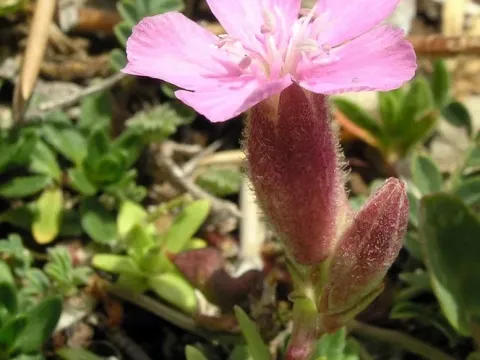
Soapwort
Saponaria caespitosa
Seeds of Saponaria caespitosa are typically sown in late autumn or early spring. Surface sowing is recommended as the seeds require light to germinate; therefore, they should only be lightly covered with a thin layer of sand or vermiculite.
What the section contains
Soapwort
Germination is most successful at temperatures between 18 and 20 degrees Celsius. Once the first pair of true leaves has developed, seedlings should be transplanted into individual pots to ensure sufficient room for root system development.
When transplanting into their permanent location, maintaining a spacing of 25–30 centimeters is crucial. Denser planting can trap humidity, which poses a significant risk to the plant's health in temperate climates.
Vegetative propagation is also highly effective. Dividing established clumps in spring or autumn allows for quick expansion, while summer cuttings can be rooted in a substrate dominated by coarse sand or perlite.
Selecting the right location is vital for success. This species requires full sun exposure throughout the day; plants situated in partial or full shade will lose their characteristic compact structure and fail to bloom.
Saponaria caespitosa demands excellent drainage. The ideal growing medium is a rocky or gritty, well-aerated soil with a neutral or slightly alkaline pH level, preventing any water accumulation near the root zone.
As an alpine native, it thrives in environments that mimic high-altitude conditions. Incorporating crushed stone or fine gravel into the planting site is standard practice to ensure rapid water runoff after rain.
The plant is remarkably cold-hardy, surviving harsh winters. However, it is vulnerable to spring freeze-thaw cycles, where ice buildup can cause the collar of the plant to rot, requiring well-draining soil to prevent this.
Watering should be sparse and controlled. The plant is drought-tolerant once established, and excessive moisture—especially on the foliage—is detrimental to its overall vigor and long-term survival.
Fertilization should be kept to a minimum. High-nitrogen fertilizers are discouraged, as they cause soft, rapid growth that is susceptible to pests and disease, undermining the plant's natural, dense, cushion-like habit.
The primary threats to this species are root rot and crown rot, both caused by excessive moisture or poor drainage. These conditions are difficult to treat, making prevention through site selection the best defense.
Powdery mildew can occur in stagnant, humid air, especially when plants are overcrowded. Ensuring proper air circulation around the plants is essential for keeping the foliage clean and healthy throughout the growing season.
Spider mites are the most common pest, particularly during long, hot, and dry summer periods. These pests feed on sap, which can leave the leaves looking discolored and unhealthy if not addressed promptly.
Aphids occasionally target the tender flower stalks. If an infestation occurs, it is recommended to use gentle, non-persistent soaps or essential oil-based insecticides to manage the population without harming the environment.
Routine sanitation is a key management practice. Removing dead foliage and debris from the base of the plant helps maintain airflow and reduces the risk of fungal spores accumulating in the microclimate around the plant.