
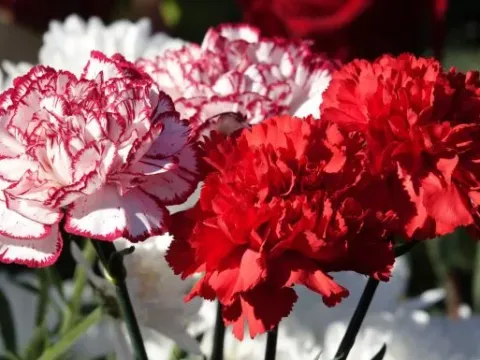
Carnation
Dianthus floral
The garden carnation (Dianthus caryophyllus) belongs to the Caryophyllaceae family. As an agricultural crop, it is typically propagated by seeds or cuttings to ensure consistent quality of the flowering stems.
What the section contains
Carnation
Seed sowing is usually performed in greenhouses during early spring, between February and March. The seeds require a well-draining, sterile substrate and a stable temperature of approximately 20 degrees Celsius to germinate effectively.
Seedlings should be transplanted into individual pots once the first true leaves have developed. This stage is crucial for building a strong root system before moving the plants into open field conditions or controlled greenhouse benches.
For large-scale commercial production, vegetative propagation via cuttings is preferred. Cuttings are taken from healthy, non-flowering lateral shoots to maintain the genetic uniformity and vigor of the selected cultivars.
Transplanting into the final growing site occurs when soil temperatures have warmed up, ensuring the plants establish themselves quickly before the onset of intense summer heat.
Carnations require full sunlight exposure to maintain robust growth and high flower quality. Low light levels often lead to leggy stems and poor bloom production, which reduces the economic value of the crop.
Soil management is critical; the plants thrive in well-aerated, slightly alkaline soils. Drainage must be excellent, as the root system is highly susceptible to rot if exposed to waterlogged conditions for extended periods.
Watering regimes should focus on providing consistent moisture without wetting the foliage. Drip irrigation systems are highly recommended to prevent leaf diseases and maintain humidity levels conducive to healthy plant growth.
Balanced fertilization is required throughout the growth cycle. Higher phosphorus and potassium levels are beneficial during the stage of bud development to improve stem strength and the intensity of petal coloration.
Regular maintenance, including weeding and soil aeration, is essential to minimize stress. Proper airflow around the foliage is a key factor in preventing the microclimate from becoming stagnant, which could encourage fungal outbreaks.
Fusarium wilt is one of the most destructive diseases affecting carnations, often resulting in systemic vascular infection. It is exacerbated by high soil moisture and warm temperatures during the intensive growth phase.
Rust, caused by fungal pathogens, appears as small, reddish-brown pustules on the leaves. Integrated pest management, including fungicide applications and strictly controlled plant spacing, is necessary to mitigate these risks.
Pests such as aphids and spider mites are frequent threats. They feed on plant sap, leading to stunted growth, distorted buds, and weakened overall plant performance if not detected and treated early.
Leaf rollers and other lepidopteran larvae can cause significant damage to young foliage. Scouting for these insects and applying targeted control measures is vital for maintaining the aesthetic quality of the final product.
Sanitation practices are the best line of defense. Removing and destroying infested plant material immediately and avoiding the reuse of contaminated soil are mandatory steps for sustainable long-term cultivation.
The optimal harvest time for carnations is when the bud shows color and is slightly loose at the top, commonly referred to as the 'paint-brush' or 'tight-bud' stage. This ensures a longer vase life after transport.
Harvesting should be done using sharp, sanitized shears to prevent mechanical injury to the plant tissue. Cutting at the correct node promotes better recovery and encourages the growth of subsequent flushes of blooms.