
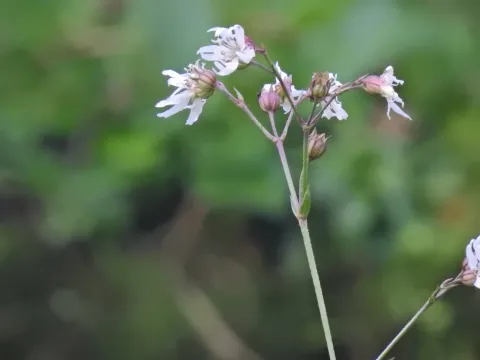
Campion
Melandrium
Campion, belonging to the Melandrium genus within the Caryophyllaceae family, is often categorized as a persistent weed in agricultural landscapes. Its growth cycle typically follows a biennial pattern, beginning with an overwintering rosette.
What the section contains
Campion
The seeds are relatively small and have a high potential for dormancy, allowing them to remain viable in the soil seed bank for several seasons. This makes the timing of mechanical soil tillage critical to prevent large-scale germination in field crops.
Spring emergence is triggered by warming soil temperatures. Once established, the plants transition rapidly into the flowering phase, utilizing energy stored in their taproot systems to outcompete standard crops for space and nutrients.
Management of seed dispersal is essential. Farmers utilize precision cleaning of grain supplies to ensure that Melandrium seeds are not introduced into new fields, as the plant can rapidly dominate areas with minimal cultivation.
Early-season mechanical control, such as harrowing or inter-row cultivation, is effective if performed before the plant develops a robust, deep root system. Once the plant enters the stem elongation stage, mechanical control becomes significantly more difficult.
Melandrium species demonstrate remarkable environmental plasticity, thriving in a variety of soil textures including clay, loam, and sandy soils. However, they prefer sites with high nitrogen availability and moderate drainage.
These plants are highly light-demanding. In dense canopy environments created by healthy crop stands, the growth of Campion is restricted, as shading severely limits its photosynthetic capacity and overall development.
Regarding moisture, Campion thrives in areas with consistent but not waterlogged soil conditions. Excessive moisture during the seedling phase can be a limiting factor, while moderate humidity during the growing season promotes maximum biomass.
The optimal temperature for metabolic activity ranges from 18 to 23 degrees Celsius. The plant is cold-hardy, with rosettes capable of surviving frost, giving it a head start over heat-loving crops during the early spring period.
Soil management practices, such as deep plowing in the autumn, are considered the gold standard for reducing Campion pressure. Burying seeds deep in the soil prevents their germination, effectively controlling the population for the following year.
The primary threats to Melandrium in an agricultural setting include systemic herbicides which effectively disrupt plant growth at the early rosette stage. Selective herbicides used in cereal production are often sufficient to manage populations.
Fungal diseases, including powdery mildew and various rusts, can affect the plant during periods of high humidity and poor air circulation. While these diseases weaken the plant, they rarely eradicate entire populations within a field.
Insects such as moth larvae and beetles are known to feed on the flower buds and seed capsules. While this can reduce reproductive success, it is generally insufficient to serve as a biological control method for large infestations.
Competition from aggressive cover crops can serve as a natural suppressant. Utilizing fast-growing green manure crops can successfully shade out Campion rosettes, preventing them from developing the energy required for flowering.
The ultimate control strategy involves an integrated approach combining chemical herbicide applications with diligent crop rotation, which breaks the lifecycle of the weed and allows for more targeted soil preparation techniques.