
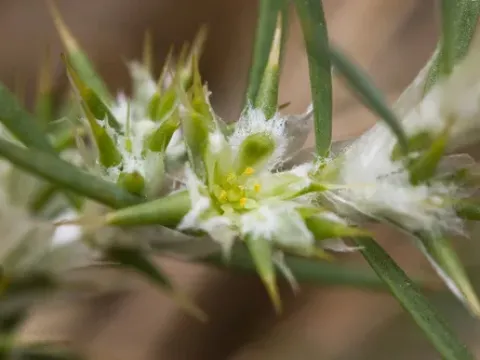
Cardionema
Cardionema
Cardionema seeds are typically sown in the spring, once the soil has warmed to temperatures between 15 and 18 degrees Celsius. To ensure uniform germination, the seeds often require stratification, so sowing them in late autumn or in controlled greenhouse environments is highly recommended.
What the section contains

Cardionema
The seeds should be sown at a shallow depth of no more than 0.5 centimeters, as they are quite small and delicate. Maintaining consistent moisture in the substrate until the emergence of the first true leaves is crucial, as the surface layer must not dry out completely during this period.
When using a seedling tray method, young plants should be pricked out into individual pots once the second pair of true leaves appears. This process allows the plant to develop a strong root system before being transplanted into its permanent location in the garden or rockery.
The site selection for sowing must prioritize excellent sun exposure, as the plant is highly photophilous. In shaded areas, Cardionema stems tend to grow elongated and lose their characteristic dense mat structure, which negatively affects their overall resilience and visual appeal.
In natural habitats, Cardionema often spreads through self-seeding, a trait that agronomists utilize to encourage the formation of naturalized patches. When sowing manually, it is important to follow a planting layout that ensures adequate air circulation to prevent overcrowding.
Cardionema is a perennial herbaceous plant belonging to the Caryophyllaceae family. It is recognized for its compact growth habit, often forming dense, low-growing mats that make it a highly desirable choice for landscaping and rock garden designs.
The culture thrives in well-drained, sandy, or stony soils with a neutral to slightly acidic pH. Waterlogging in the root zone is extremely detrimental to this species, making the establishment of efficient drainage an absolute requirement for successful cultivation.
The plant exhibits high tolerance to drought conditions, a characteristic derived from its origins in the mountainous and foothill regions of South America. It is capable of enduring long periods without rainfall without losing its ornamental quality.
While the optimal temperature range for Cardionema is moderate, it possesses significant winter hardiness. In regions experiencing severe winters, providing light protection using brushwood or horticultural fleece is recommended to safeguard the plants from drastic temperature fluctuations.
Agricultural care includes regular weed removal, as competitive vegetation can easily suppress the growth of young Cardionema plants. Mineral fertilizer applications should be kept moderate during the early growing season, as an excess of nitrogen can lead to weak and vulnerable tissue.
Fungal diseases, often triggered by excessive soil moisture and poor airflow, represent the primary threat to Cardionema. Root rots are among the most dangerous pathologies, capable of destroying entire mats within a very short timeframe.
To prevent the development of mold and rot, strict adherence to watering regimes and ensuring excellent soil aeration are essential. Preventive treatments with copper-based fungicides can help mitigate the risk of infection during periods of unfavorable, humid weather.
Pests such as spider mites or aphids may infest the plants during prolonged droughts. Upon the first signs of infestation, targeted insecticides or biological control agents approved for ornamental use should be applied to manage the population effectively.
Slugs and snails can cause significant mechanical damage to the young shoots of Cardionema, especially during damp seasons. Utilizing physical barrier methods or specialized molluscicides is a standard approach to protect the aesthetic integrity of the plantings.
Inappropriate soil pH can also be considered a threat, as it often triggers iron chlorosis in the foliage. Consistent monitoring of soil pH levels and the application of corrective soil amendments are vital for maintaining healthy physiological processes within the plant tissues.