
Gypsophila papillosa
Gypsophila papillosa
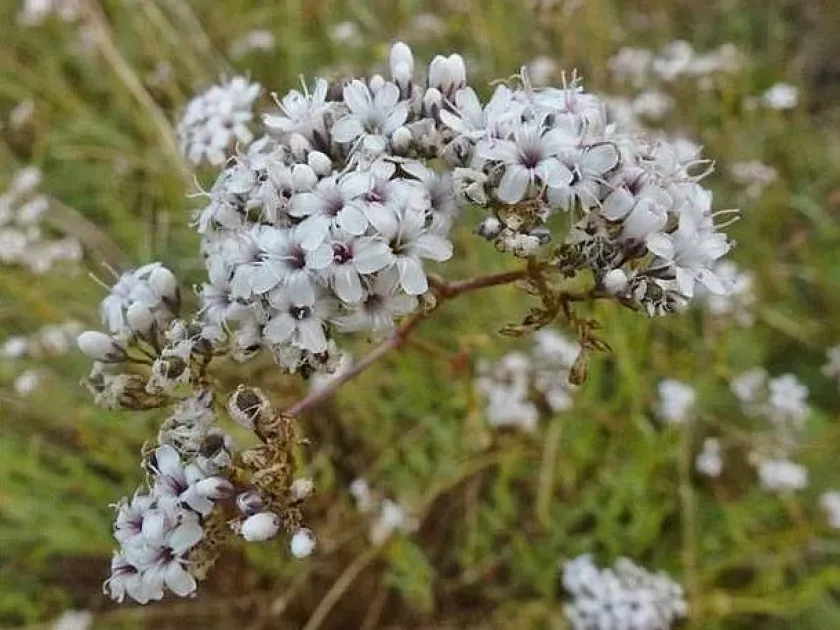
Description
Sowing dates
Sowing Gypsophila papillosa is best performed in early spring once soil temperatures reach 10–12 degrees Celsius. Late April provides a stable environment for seed germination, allowing the plant to establish roots before the heat of summer.
For earlier blooms, indoor propagation in seed trays during March is recommended. Seedlings should be hardened off and transplanted to the field in late May to ensure they are well-acclimated to outdoor conditions.
The seeds are minute and should be sown shallowly, ideally covered by a very fine layer of soil or sand. Proper light exposure is essential for the germination process, so burying them too deep will inhibit growth.
Space the plants approximately 25–30 cm apart to maintain adequate airflow. This spacing is crucial for preventing the overcrowding that often leads to humidity-related diseases in the foliage.
Moderate irrigation is necessary during the initial stages of seedling development. Overwatering should be strictly avoided to prevent damping-off, which is common in many species of the Caryophyllaceae family.
Growing requirements
Gypsophila papillosa, a member of the Caryophyllaceae family, thrives in open, sunny locations. It is highly photophilous and requires full sun exposure for several hours a day to produce quality floral stalks.
The plant prefers well-drained, sandy, or slightly alkaline soils, reflecting its native rocky mountain habitats. Soils that offer excellent drainage are critical for its long-term health and survival.
Known for its drought tolerance, this crop is well-suited for regions with limited rainfall. It requires little intervention once established, provided it is not subjected to prolonged waterlogging.
Temperature resilience is a key characteristic, allowing it to withstand the continental climate fluctuations common in temperate zones. However, young plants may require slight protection during extreme cold snaps.
Fertilization should be handled with care, as excessive nutrients can negatively affect structural integrity. A balanced low-concentration mineral fertilizer applied once in the spring is usually sufficient to support plant health.
Main diseases and pests
The primary threats to this crop are fungal diseases triggered by poor aeration or high environmental moisture. Rust and root rot are common issues that can rapidly degrade a stand if not monitored.
Powdery mildew often appears on leaves when plants are grown in confined or damp conditions. Regular field inspection and the removal of stagnant plant debris are vital management strategies to prevent outbreaks.
Aphids and spider mites are typical pests that target young tissues during hot and dry spells. Integrated pest management, including the use of mild soaps or biological controls, is effective in maintaining plant vigor.
Nematode infestations can lead to stunted growth and yellowing, necessitating careful soil management and crop rotation. Avoiding fields with a history of severe nematode pressure is highly advisable.
Promptly removing symptomatic plants helps mitigate the spread of pathogens. Keeping tools sanitized during the harvesting or pruning process is a best practice for maintaining a healthy cropping area.
Harvesting
Harvesting for aesthetic or commercial use is timed to coincide with the peak flowering period when most buds have fully opened. This ensures the longest possible shelf life for the harvested stems.
Using a sharp, sanitized blade to make clean cuts reduces plant stress and prevents pathogens from entering the tissue. Early morning is the best time for cutting, as moisture levels in the stems are optimal.
For dried arrangements, stems should be bundled and hung upside down in a well-ventilated, shaded space. Avoiding direct sunlight during the drying process maintains the desired color and quality of the petals.
Seed harvesting should occur when the capsules show signs of yellowing or drying. It is important to collect them before natural dehiscence occurs to ensure a high yield of viable seeds.
After collection, seeds must be threshed and stored in a cool, dry, and dark environment. Properly prepared seeds can maintain high germination rates for multiple seasons when stored in paper or cloth containers.