
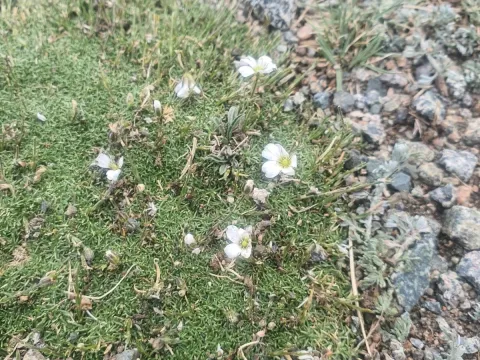
Arenaria subulata
Arenaria subulata
Sowing Arenaria subulata seeds should ideally take place in early spring, as soon as the soil is workable. The seeds require light to germinate, so they must be scattered across the surface of the growing medium rather than buried deep.
What the section contains
Arenaria subulata
For container-grown starts, sow seeds in late winter in a well-draining seed-starting mix. Keep the tray in a cool, bright location with consistent moisture, ensuring the delicate seedlings are not exposed to direct scorching sunlight during the early stages.
Germination usually occurs within a few weeks. It is crucial to maintain a steady humidity level during this period, but avoid over-saturation of the soil, as young sandwort seedlings are highly susceptible to damping-off fungi.
Transplanting into the garden should be done only when the threat of hard frost has passed. Ensure the young plants are acclimated to outdoor conditions gradually through a period of hardening off to prevent transplant shock.
Spacing is essential for the long-term health of the patch. Placing plants about 20 to 25 centimeters apart allows for enough airflow between the cushions while still enabling the plants to eventually merge into a seamless mat.
Arenaria subulata thrives in full sun, which is necessary to maintain its compact, cushion-like growth habit. In shaded environments, the plant tends to become leggy, loses its aesthetic density, and produces fewer flowers.
The soil must be poor, gritty, and exceptionally well-draining. Sandy or rocky substrates mimic the plant's natural habitat and are ideal for preventing crown rot, which is the primary cause of plant death in domestic cultivation.
The plant is remarkably hardy and drought-tolerant once established. However, during the height of the summer heat, periodic supplemental watering may be required to keep the foliage vibrant and prevent the cushion from browning in the center.
Fertility levels should be kept low. This species is adapted to nutrient-poor soils, so providing high-nitrogen fertilizers will result in rapid, weak growth that makes the plant prone to collapse and disease rather than creating a durable mat.
Soil pH should ideally be neutral or slightly alkaline. The plant does not perform well in acidic or peat-heavy soils, which can interfere with nutrient uptake and lead to stunted growth or chlorosis.
The most significant threat to Arenaria subulata is poor drainage, leading to root rot. Standing water or persistently wet soil during the winter months is fatal, often causing the entire mat to turn black and rot from the center outward.
Slugs and snails can be occasional pests, particularly during damp spring weather. They may graze on the young, tender foliage, leaving holes in the dense mat that can take time for the plant to fill in naturally.
Fungal pathogens such as Fusarium can become an issue if the planting site lacks proper airflow. Maintaining a weed-free zone around the plants is critical to ensure that moisture evaporates quickly after rainfall.
Overcrowding with taller companion plants can create an environment conducive to disease. It is essential to choose neighbors for sandwort that share similar low-growing, sun-loving characteristics to prevent shading and moisture retention.
To keep the plants healthy, remove any debris or fallen leaves from the cushions in autumn. This prevents the buildup of organic matter that can trap moisture against the stems, which is a common trigger for fungal outbreaks in late winter.