
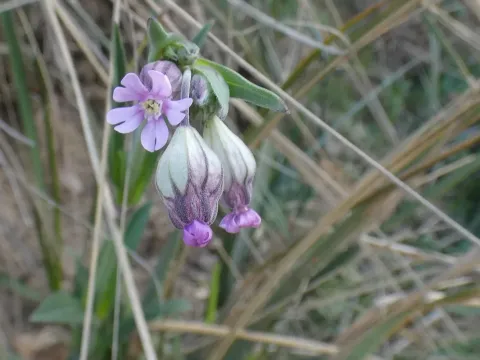
Behen campion
Silene behen
Behen campion (Silene behen) is an annual herbaceous plant belonging to the Caryophyllaceae family. Sowing is typically performed in early spring as soon as the soil reaches 8-10 degrees Celsius.
What the section contains
Behen campion
Seeds should be sown at a depth of 1-2 centimeters. To ensure optimal growth, a row spacing of 25-30 centimeters is recommended, allowing for sufficient light penetration and air circulation.
While direct seeding is the standard practice, starting indoors in trays can provide a head start in shorter growing seasons. Seedlings can be transplanted once the danger of frost has passed.
Proper soil preparation is crucial; the seedbed should be fine and loose to encourage uniform germination. High seed vitality is expected if stored in dry, cool conditions.
Consistent moisture levels in the first two weeks post-sowing are vital for successful establishment. Once established, the plants become more resilient to varying weather conditions.
This species thrives in sunny locations, requiring full sunlight to develop strong stems and vibrant growth. It is adaptable to a wide range of soil types, provided they are well-draining.
Sandy loam or light textured soils are ideal for the plant's root development. Soil pH should ideally be neutral or slightly alkaline for the best nutrient uptake.
While the plant is known for its moderate drought tolerance, regular irrigation during dry spells will improve overall yield and vegetative structure.
Agrotechnical practices must include periodic hoeing and weeding. Maintaining a weed-free environment is essential, especially while the plants are in their early developmental stages.
Fertilization with a balanced NPK fertilizer early in the season can significantly boost productivity. Avoid excessive nitrogen, which might lead to succulent stems susceptible to lodging.
Root rot is the primary threat to the crop, typically triggered by poorly drained or waterlogged soils. Ensuring effective soil drainage is the best preventative strategy.
Aphids can cause damage by feeding on young shoots and flower buds, potentially stunted growth if left uncontrolled. Insecticidal soaps or systemic pesticides are effective remedies.
Powdery mildew may manifest as a white film on the leaves during periods of high humidity and poor airflow. Fungicide application should be performed as soon as symptoms appear.
Proper crop rotation is recommended to prevent the buildup of soil-borne pathogens. Avoid planting on the same plot for at least three consecutive years to maintain soil health.
Integrated pest management, including regular crop scouting and timely intervention, ensures that damage remains below economic thresholds.