
Balearic mouse-ear
Cerastium balearicum
Description
Sowing dates
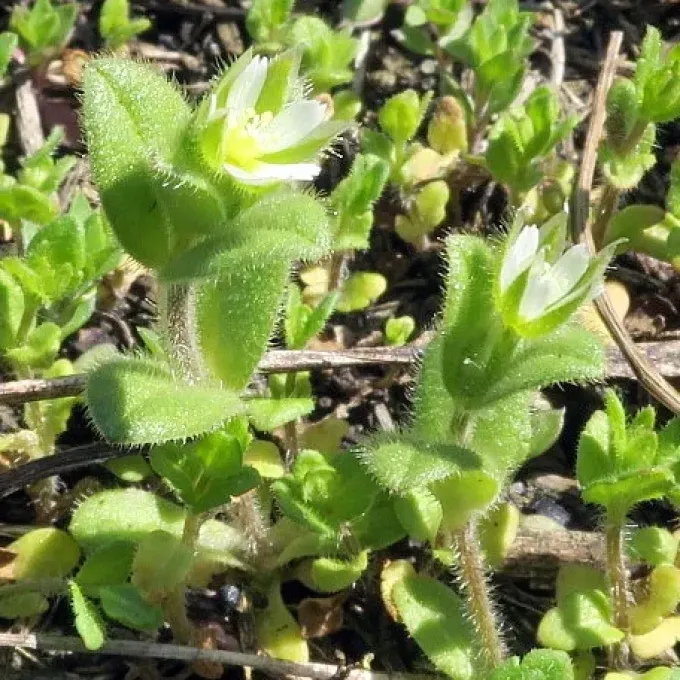
Cerastium balearicum belongs to the Caryophyllaceae family and is highly valued for its compact, low-growing habit and silvery-green foliage, making it a staple in rock gardens.
Seeds are typically sown in early spring, requiring light for germination, which means they should be surface-sown on a fine, well-draining substrate without covering them heavily.
The germination period usually spans several weeks, during which the moisture level must be kept consistent but not saturated to avoid seed decay.
Propagation through division of established clumps is a common agricultural practice that ensures rapid expansion and genetic uniformity of the plant carpet.
Young plants should be hardened off before being permanently moved outdoors to ensure they can withstand the full intensity of direct sunlight and temperature fluctuations.
Growing requirements
Originating from the Mediterranean environment, this species thrives in well-drained, nutrient-poor, and stony soils that mimic its natural habitat.
Full sun is essential for the healthy development of this species; inadequate lighting leads to "leggy" growth and a significant reduction in flower production.
The plant is highly drought-tolerant, adapted to minimal rainfall, and performs exceptionally well when planted in crevices or on slopes where water drainage is optimal.
Minimal fertilization is required; high nutrient levels often result in overly vegetative growth, which can make the plants more susceptible to environmental stress.
Winter hardiness varies depending on the region, but in areas with heavy frost, a light mulch layer can protect the crown from extreme temperature drops.
Main diseases and pests
Root rot and crown decay are the most significant threats to the crop, typically triggered by excessive moisture and poor soil aeration during the dormant season.
Prevention involves ensuring high-quality drainage systems, such as incorporating gravel into the planting substrate to keep the root zone dry.
Aphids and spider mites may occasionally infest the plants during prolonged dry spells, necessitating the use of targeted horticultural soaps or mild insecticides.
Slugs are problematic in damp, shaded environments and can cause significant foliage damage, requiring the use of physical barriers or organic pest control methods.
Adequate spacing between plants is critical to allow for proper airflow, which significantly reduces the risk of fungal infections such as powdery mildew.