
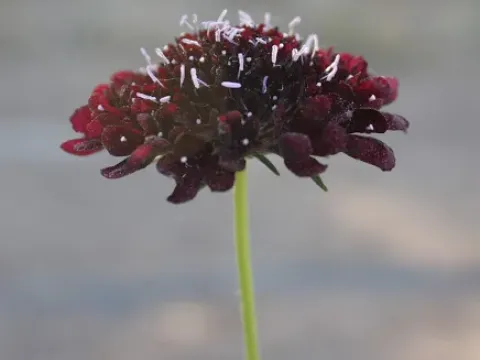
Scabiosa
Scabiosa veronica
Scabiosa seeds can be sown directly into open soil once the danger of frost has passed in late spring. The soil should be well-prepared, loose, and free of debris to allow for optimal germination rates.
What the section contains
Scabiosa
When sowing, cover the seeds with a very thin layer of soil, as they require light to germinate effectively. The ideal spacing for direct seeding is approximately 20–30 centimeters between rows.
Indoor starting is a popular practice for Scabiosa to ensure earlier flowering. Seeds should be sown in seed trays with a sterile, well-draining potting mix about 6–8 weeks before the last expected frost.
Keep the seed trays in a bright location with a steady temperature around 18–20 degrees Celsius. Ensure consistent moisture levels without waterlogging the soil, which can lead to seedling damping off.
Hardening off is a vital step before transplanting seedlings into the garden. Gradually expose the young plants to outdoor conditions over a week to help them acclimate to temperature changes and wind.
Scabiosa, belonging to the Caprifoliaceae family, thrives in full sun locations. Providing at least six to eight hours of direct sunlight daily is essential for maintaining robust growth and high flower production.
The plant requires well-draining soil with a neutral to slightly alkaline pH level. Soils that are heavy or clay-based should be amended with organic matter or sand to improve structure and prevent root rot.
Watering should be consistent but moderate; allow the top inch of soil to dry out between waterings. Drought stress can limit blooming, while waterlogging is even more damaging to the plant's health.
Fertilizing is beneficial but should be done with caution. A balanced slow-release fertilizer applied in early spring usually suffices, as excessive nitrogen can lead to foliage growth at the expense of flowers.
Providing protection during winter is recommended in colder regions. Mulching the base of the plant with straw or evergreen boughs helps regulate soil temperature and protects the root system from freezing.
Powdery mildew is a common fungal infection, appearing as a white dusty coating on leaves. It is often caused by poor air circulation or high humidity; ensure plants are spaced adequately to prevent it.
Root rot is a significant risk in poorly draining soils, especially during wet seasons. Symptoms include wilting and yellowing leaves; ensure the garden bed has excellent drainage to avoid this outcome.
Aphids can be problematic, colonizing the stems and flower buds. Regular monitoring and the use of insecticidal soap or neem oil are effective strategies for managing these small pest populations.
Spider mites can also attack the plants during hot, dry spells, causing stippling on the leaves. Increasing humidity or using horticultural oils can help manage mite infestations in garden settings.
Leaf spot diseases may occur during long periods of rainfall. Removing affected foliage and avoiding overhead watering are simple yet effective practices to minimize the spread of fungal spores.
Harvesting flowers for bouquets should occur when the flower heads are about 50–75 percent open. Cutting at this stage ensures the longest vase life and allows for better structural integrity in arrangements.
Use clean, sharp shears to make cuts at an angle, which increases the surface area for water uptake. Place the cut stems immediately into a clean container filled with fresh, room-temperature water.
For seed collection, allow the flower heads to remain on the plant until they turn brown and dry out completely. Harvesting should be done in the morning once dew has evaporated from the seed heads.
Deadheading throughout the season is highly recommended to encourage repeat blooming. This prevents the plant from putting its energy into seed production and instead redirects resources to new buds.
Clean up the garden plot by removing spent stalks after the final frost. This sanitary practice reduces the likelihood of pests or diseases overwintering in the debris and prepares the bed for next year.