
Pyrenean valerian
Valeriana pyrenaica
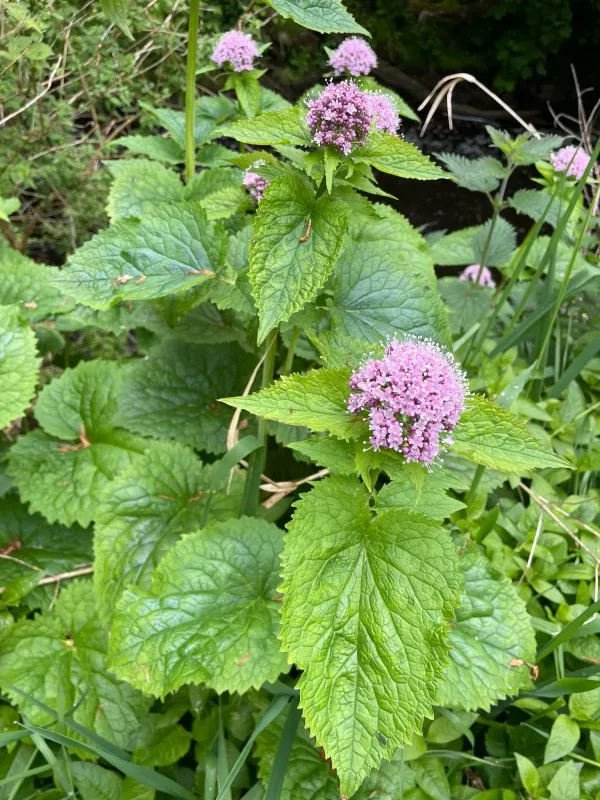
Description
Sowing dates
Pyrenean valerian (Valeriana pyrenaica) is a perennial herbaceous plant belonging to the Adoxaceae family. Success in cultivation begins with understanding the specific germination requirements of its seeds.
The optimal method for sowing involves autumn planting, allowing the seeds to undergo a natural cold stratification period throughout the winter. This process is essential for breaking dormancy and ensuring uniform germination.
If sowing in the spring, seeds should be pre-chilled in a refrigerator at temperatures between +2 and +5 degrees Celsius for several weeks before being sown in prepared seedbeds.
Seeds should be sown shallowly, covered only by a thin layer of soil or fine compost. Maintaining consistent surface moisture is critical during the initial weeks to support the developing radicle.
When starting indoors, utilize seed trays filled with a light, sterile potting medium. Transplanting to the final growing site should occur once the seedlings are strong enough to handle, typically after the danger of frost has passed.
Growing requirements
This species thrives in fertile, moist, and well-drained soils. Loamy soils with high organic matter content provide the best conditions for the vigorous development of the root system.
While the plant is quite hardy, it prefers partial shade or dappled sunlight. Intense, direct sun exposure, especially in hot climates, can cause wilting and stress the plant, leading to reduced vegetative growth.
A temperate climate with moderate temperatures (+15 to +22 degrees Celsius) is ideal. The plant is well-adapted to cooler regions and exhibits significant frost tolerance, characteristic of its high-altitude origins.
Consistent moisture is key; however, the soil must not become waterlogged. Poor drainage often leads to root rot, which is a major physiological and pathological risk for this crop.
Regular maintenance should include weeding and mulching around the base to keep the soil cool and retain moisture. Adding organic compost once a year supports steady growth and improves soil structure.
Main diseases and pests
The primary concern in Pyrenean valerian cultivation is fungal infections, specifically those resulting in root rot. These are frequently triggered by poor drainage or excessive humidity around the root crown.
Pests such as wireworms and snails can also present significant challenges. Wireworms feed on roots, potentially causing stunted growth, while snails are particularly damaging to young foliage in humid conditions.
Integrated pest management, including crop rotation and maintaining good field sanitation, is essential. Avoid planting valerian in areas where previous crops have suffered from similar soil-borne diseases.
Monitoring the plants for symptoms such as chlorosis or wilting is vital. Infected plants should be removed and destroyed to prevent the spread of pathogens throughout the entire plantation.
- Maintaining proper spacing to ensure adequate air circulation.
- Using preventative fungicides if local conditions favor disease development.
- Managing irrigation levels to prevent standing water.
- Periodic inspection of foliage for signs of slug or snail damage.
Harvesting
The economic value of Pyrenean valerian lies in its rootstocks, which are harvested for medicinal purposes. The harvest should typically take place at the end of the plant's second or third growing season.
Harvesting is best performed in late autumn, after the aerial parts of the plant have died back, as this is when the concentration of active essential oils and secondary metabolites is at its peak.
The roots must be carefully excavated to avoid breakage. Once lifted, they should be cleaned thoroughly with cold water to remove all soil particles, ensuring the roots remain intact.
Drying is a critical step in preserving the quality of the harvested material. The roots should be dried in a well-ventilated, shaded environment at a temperature not exceeding +40 degrees Celsius to prevent the loss of volatile compounds.
Once completely dry, the material should be stored in airtight containers in a cool, dark place. Proper storage helps maintain the potency of the herbal product for up to several years.