
Rock valerian
Valeriana saxatilis
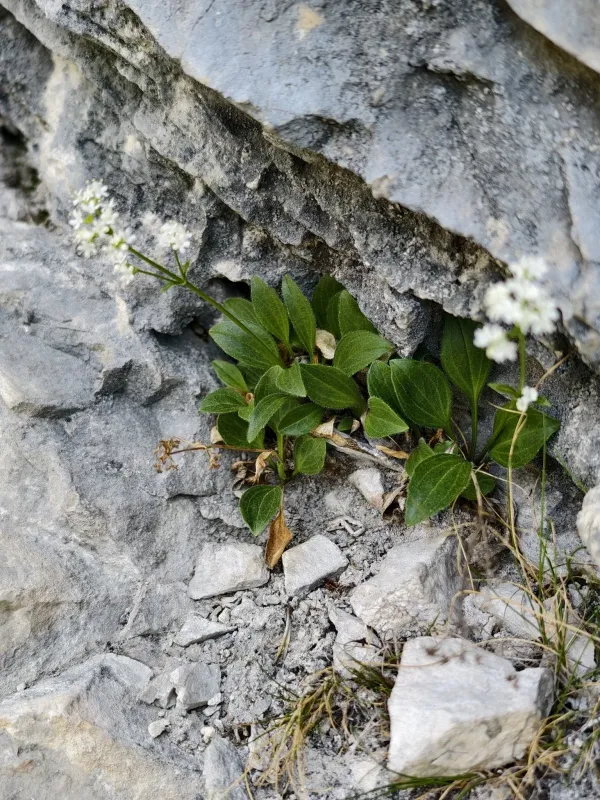
Description
Sowing dates
Rock valerian (Valeriana saxatilis) is a perennial herbaceous plant belonging to the Caprifoliaceae family. Due to its alpine nature, the seeds require a period of cold stratification to break dormancy, making autumn sowing the most effective method in field conditions.
For spring sowing, seeds must be stratified at temperatures between 2°C and 5°C for at least 4 to 6 weeks. Seeds are very fine and should be surface-sown or barely covered with a light layer of soil to ensure proper exposure to light for germination.
The plant grows slowly during its first year, focusing energy on establishing a root system. Maintaining consistent moisture during the germination phase is essential, as the seedlings are highly vulnerable to dehydration.
Commercial cultivation often utilizes the nursery-to-field method, which allows for better management of plant spacing and weed control during the critical early development stages.
Once seedlings are established, they should be thinned to a spacing of 25 cm, ensuring enough airflow and space for the development of robust rhizomes, which constitute the primary harvestable product.
Growing requirements
As a native of rocky mountainous regions, Valeriana saxatilis thrives in well-drained, lime-rich stony soils. It is highly intolerant of waterlogging, which quickly causes root rot and plant mortality.
The plant prefers sunny locations but benefits from partial afternoon shade in regions with extremely hot summers. It is well-adapted to the cool, fluctuating temperatures typical of its natural habitat in the Alps and Balkans.
Soil pH should ideally be neutral or slightly alkaline. Incorporating small amounts of organic compost during site preparation is beneficial, but excessive nitrogen fertilization should be avoided as it encourages leafy growth at the expense of root quality.
Good soil aeration is paramount. In heavy soils, adding gravel or coarse sand is recommended to mimic the alpine conditions necessary for the health of the plant's sensitive root system.
The species is frost-hardy and can withstand significant winter temperatures, making it a reliable crop for temperate regions provided the drainage requirements are strictly met.
Yield
The yield of Rock valerian is calculated by the weight of harvested and dried rhizomes. The plant generally reaches its optimal production capacity by the third year of growth.
Under managed agricultural conditions, yields can range from 1.5 to 2.5 tonnes per hectare, depending on soil enrichment and the effectiveness of moisture control during the growing season.
The concentration of essential oils and alkaloids, which determines the market value of the crop, is closely linked to the environmental stress the plant experiences; thus, alpine-like conditions often result in superior quality.
Regular weeding and careful cultivation between rows are necessary to prevent competition for nutrients and water, which otherwise restricts the size and density of the rhizomes.
Post-harvest analysis often involves testing for specific sesquiterpene contents, ensuring the raw material meets the pharmaceutical industry standards for sedative and analgesic herbal products.
Main diseases and pests
Root rot, primarily caused by excessive moisture and poor drainage, is the most critical threat to Rock valerian plantations. Fungal pathogens such as Pythium or Phytophthora can decimate a stand quickly.
Wireworms and larvae of the cockchafer beetle are significant pests that physically damage the rhizomes, often leading to secondary infections. Integrated pest management using traps and proper crop rotation is standard practice.
Powdery mildew may occur in poorly ventilated plantings with high humidity levels. Increasing spacing and ensuring good air circulation are the primary defenses against this foliage pathogen.
Avoiding land previously used for solanaceous crops is vital to prevent the carryover of soil-borne diseases that can prove fatal to the Valeriana species.
Regular field scouting is essential; any symptomatic plants should be promptly rogued, including the surrounding soil, to prevent the spread of soil-borne fungi throughout the crop.
Harvesting
The harvest takes place in autumn once the aerial parts of the plant begin to yellow and die back. This signals that the plant has stored the majority of its metabolic energy in the rhizomes.
Rhizomes are carefully lifted from the soil to avoid wounding. Quick washing in cold, running water is required to remove soil without extracting the water-soluble compounds that define the medicinal value.
Drying must be conducted in controlled conditions at temperatures not exceeding 40°C to preserve the volatile essential oils and prevent chemical degradation of the active substances.
Once dried to the correct moisture content, the rhizomes are sorted and cleaned of any residual organic debris, ensuring that only high-quality material is packaged for storage or processing.
The final product is stored in cool, dry, and dark environments to maintain the stability of the plant's pharmacologically active ingredients over the intended two-year shelf life.