
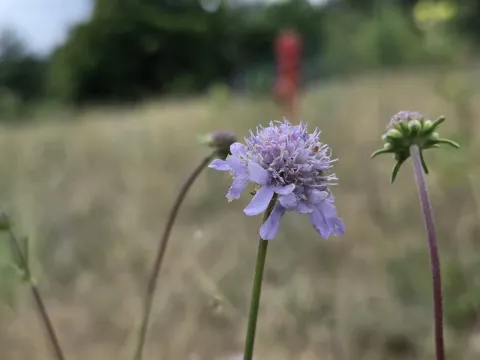
Scabiosa canescens
Scabiosa canescens
Scabiosa canescens seeds are typically sown in early spring or late autumn, directly into prepared garden soil. A light covering of soil is sufficient, as the seeds require some light exposure to germinate efficiently, and should not be buried deep.
What the section contains
Scabiosa canescens
For indoor propagation, sowing begins in late winter or early spring using seed trays filled with a well-draining, sterile growing medium. Maintaining a consistent temperature between 18 and 20 degrees Celsius is optimal for uniform germination of the seeds.
Seedlings should be pricked out when the first true leaves emerge to ensure they have enough space for healthy root development. Once the risk of frost has passed, the young plants can be hardened off and transplanted to their final growing site.
Spacing between plants should be approximately 30 to 40 centimeters to allow for adequate air circulation. Proper spacing significantly reduces the risk of foliar diseases and supports the overall health of the perennial stand.
Sowing in a sunny location is critical for the long-term success of the crop. While the plants can be grown from self-seeding, careful management of the seed head production is recommended to prevent unwanted spread in a cultivated area.
This species thrives in full sun, requiring at least six to eight hours of direct light daily to produce its characteristic floral displays. Inadequate sunlight leads to legginess and reduced flower production, impacting the plant's aesthetic and ecological value.
Soil requirements for Scabiosa canescens include a preference for well-draining, neutral to slightly alkaline substrates. Heavy soils that retain excessive water are generally unsuitable and often lead to root decay during the dormant season.
The plant is highly drought-tolerant once established, thanks to its deep taproot system. It performs exceptionally well in rock gardens or dry borders where other moisture-loving plants might struggle to survive without constant irrigation.
Regular maintenance involves keeping the site free of aggressive weeds, which can outcompete the young seedlings for light and soil nutrients. Mulching around the base, while avoiding the crown, can help regulate soil temperature and moisture levels.
Minimal fertilization is required as this species adapts well to low-fertility soils. Excessive nitrogen applications should be avoided, as they promote lush foliage growth at the expense of floral development and stem strength.
The primary concern for Scabiosa canescens is the presence of fungal infections linked to high humidity and poor air circulation. Powdery mildew is a common occurrence, appearing as white patches on leaves when environmental conditions are unfavorable.
Root rot can become a severe issue in waterlogged soils, especially during winter months when the plant is less active. Improving drainage through the addition of grit or gravel during initial planting is the most effective preventative measure.
Pests such as aphids may congregate on the developing flower buds, draining energy from the plant. While they rarely kill the plant, heavy infestations can significantly affect the visual appeal and the quality of the honey-producing nectar.
Biological control methods are preferred, such as encouraging beneficial insects that feed on aphids. If chemical intervention is necessary, products must be selected carefully to avoid harming the pollinators that visit the blooms.
Nematode infestations can occur in areas with intensive cultivation histories. Rotating crops and using fresh, clean soil for new plantings is essential to keep the root systems healthy and protected from underground pests.
Harvesting flower stems for decorative purposes should be done when the blossoms are partially open to maximize vase life. Cutting stems in the early morning ensures the plant tissue is hydrated and helps maintain freshness after harvest.
Seed harvesting requires monitoring the seed heads closely; they should be collected when they turn dry and brittle but before they shatter. Proper timing is essential to ensure high viability of the collected seeds for future seasons.
Dried material must be stored in a cool, dark, and well-ventilated location to prevent mold and loss of quality. Ensuring the seeds are completely dry before packaging prevents premature spoilage and ensures a successful spring germination.
Deadheading is a recommended practice to promote a second flush of flowers and to maintain the plant's tidy appearance throughout the season. This prevents the plant from putting energy into seed production, focusing it on continued flowering.
In large-scale honey production or floral cultivation, harvesting must be calibrated with the peak bloom period to optimize the yield of nectar or cut flowers. Post-harvest handling should involve minimal trauma to the rootstock to ensure plant longevity.