
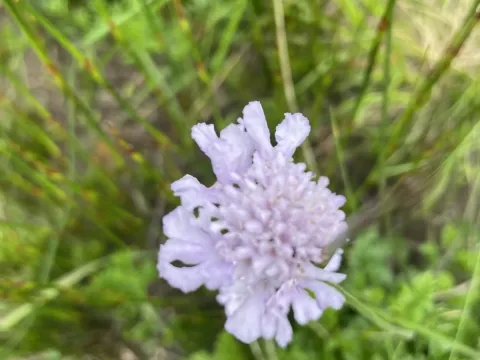
Scabiosa incisa
Scabiosa incisa
Sowing of Scabiosa incisa is best performed in the spring when soil temperatures have stabilized. For those living in regions with shorter growing seasons, starting seeds indoors in late winter ensures stronger seedlings ready for transplanting by mid-spring.
What the section contains
Scabiosa incisa
Seeds should be sown on the surface of a well-draining seed-starting mix, as they require light to germinate. Covering them with a very thin layer of fine substrate or vermiculite is sufficient to maintain necessary moisture without blocking light penetration.
Maintaining a constant temperature between 18 and 22 degrees Celsius is crucial during the germination process, which typically spans from two to three weeks. Adequate airflow during this period prevents the development of damping-off diseases in young sprouts.
Transplanting seedlings to individual pots should occur once the first pair of true leaves is fully developed. This process encourages the development of a robust taproot system, which is essential for the plant's future stability and water uptake in garden conditions.
Hardening off the plants before final placement in the field is a mandatory step to prevent transplant shock. A gradual acclimatization to direct sunlight and outdoor temperatures ensures a higher success rate once they are moved to their permanent landscape location.
Scabiosa incisa, a member of the Caprifoliaceae family, originates from the mountainous and grassy regions of Southern Africa. It thrives in locations that provide maximum sun exposure throughout the day, which is vital for maintaining its compact, upright growth habit.
The soil profile must be characterized by excellent drainage properties to prevent root suffocation. Sandy or loamy soils are ideal, as they mimic the plant's natural habitat on rocky slopes where moisture never persists around the crown of the plant.
Neutral to slightly alkaline soil conditions are preferred for optimal nutrient availability. If the soil is naturally acidic, applying agricultural lime can help adjust the pH levels, fostering better flowering performance and stronger stem structure.
While the species exhibits moderate drought tolerance once established, regular and deep watering during the active blooming season will significantly improve the quality and duration of the floral display. Avoid overhead watering to minimize the risk of fungal issues on the foliage.
A balanced, low-nitrogen fertilization program is recommended to support continuous flowering without causing excessive, weak vegetative growth. Applying compost or organic mulch around the base of the plant can help retain soil moisture and suppress competitive weeds.
Powdery mildew is a prevalent fungal disease that affects Scabiosa when humidity levels are high and air circulation is insufficient. To mitigate this, ensure plants are spaced adequately and avoid planting in low-lying areas where stagnant air may accumulate.
Root rot is the most serious threat, usually resulting from poor drainage or excessive irrigation. Once the root system begins to decay, the plant is difficult to save, making preventive measures like proper soil preparation and careful watering the most effective defense.
Aphids are common pests that feed on the soft, succulent tissues of new flower buds and stems. Regular monitoring of the underside of leaves and tips of stems is essential, and minor infestations can be controlled using soft soaps or neem oil solutions.
Spider mites can become a problem during periods of intense heat and low atmospheric humidity. These tiny pests cause yellowing and stippling of the foliage, which can be managed by maintaining proper plant hygiene and using targeted miticides when necessary.
Occasional damage from leaf-eating caterpillars may occur during the summer months. Hand-picking is often effective in smaller gardens, while larger plantings might require the use of biological control agents to keep pest populations below the economic injury level.
For floral design purposes, Scabiosa incisa stems should be harvested when the florets at the base of the flower head have fully opened, while the central disk is still firm. This stage ensures the longest vase life and prevents premature wilting after cutting.
Immediately placing harvested stems into clean water, preferably in a cool environment, is critical for conditioning. Removing the lower leaves prevents bacterial buildup in the water, which is a common cause of premature stem blockage and floral decay.
For seed collection, allow selected flower heads to remain on the plant until they are thoroughly dry and brown. The seeds should be harvested promptly upon reaching maturity to avoid accidental dispersal, as the dry heads can shatter easily in windy conditions.
Deadheading spent flowers is a key practice for maintaining the plant's health and appearance. By removing faded blooms, the gardener redirects the plant's energy toward producing new flower buds rather than seed development, prolonging the bloom season.
After the final bloom, the plants can be cut back to promote a tidier garden environment. In frost-free climates, this practice can lead to a secondary flush of growth, whereas in colder regions, it helps prepare the plant for its natural dormancy period.