
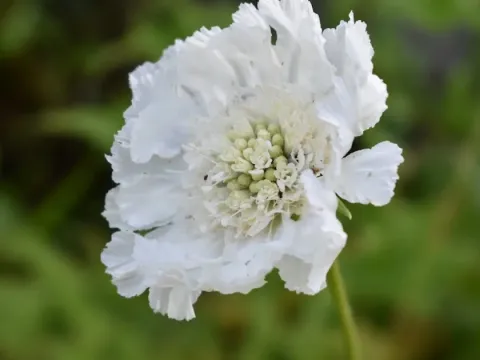
Scabiosa hybrids
Scabiosa hybrids
Sowing seeds of Scabiosa hybrids typically takes place in March or April indoors, ensuring a stable temperature between 18 and 20 degrees Celsius. Using high-quality seed starting mix ensures better germination rates for these ornamental perennials.
What the section contains
Scabiosa hybrids
Direct outdoor sowing is recommended in May once the soil has warmed up and all danger of frost has passed. Seeds should be sown at a shallow depth of approximately 0.5 to 1 centimeter to receive sufficient light for emergence.
Seedlings grown indoors should be pricked out into individual pots once they develop their first set of true leaves. This step encourages strong root development and prevents competition between overcrowded seedlings in the starter tray.
When transplanting into the garden, a spacing of 30x40 centimeters is ideal for Scabiosa hybrids. This spacing provides enough room for mature plants to develop and ensures proper air circulation to prevent fungal growth.
Regular monitoring of moisture levels is crucial during the early stages of establishment. Once established, the plants become more resilient, but young seedlings require consistent hydration to develop a robust root system.
Scabiosa hybrids belong to the Caprifoliaceae family and are popular perennial flowering plants. They thrive in full sun locations, which are essential for stimulating vigorous blooming and maintaining the plant's natural, upright habit.
Well-drained, fertile soil is a non-negotiable requirement for Scabiosa. If your soil is heavy or prone to waterlogging, adding organic matter such as compost or grit will significantly improve drainage and oxygen availability to the roots.
The plant performs best in soils with a neutral or slightly alkaline pH level. In acidic conditions, adding lime can help balance the soil and promote better nutrient uptake for more vibrant, healthier flowers.
Maintenance involves routine weeding around the base of the plant to prevent nutrient competition. Mulching with light materials like straw or bark can help preserve soil moisture during peak summer months.
Periodic fertilization with a balanced, slow-release fertilizer during the spring and early summer supports continuous flowering. Avoid excessive nitrogen, as it promotes lush foliage at the expense of floral production.
Aphids and spider mites are the most common pests affecting Scabiosa hybrids, particularly in hot and dry weather conditions. Regular inspection of the underside of leaves is key to identifying infestations before they become severe.
Powdery mildew is a frequent fungal threat, often triggered by high humidity and poor air circulation. Applying fungicides or maintaining appropriate plant spacing can drastically reduce the prevalence of this disease.
Root rot occurs if the soil stays saturated for too long, suffocating the roots. To mitigate this risk, ensure the planting site is elevated or properly drained, and avoid overwatering during rainy or cool periods.
Good garden hygiene, such as removing dead leaves and infected stems, helps break the disease cycle. Implementing a crop rotation strategy prevents the buildup of soil-borne pathogens over multiple growing seasons.
In case of pest outbreaks, using horticultural soaps or neem oil is often sufficient for small-scale gardens. These methods are safer for pollinators, which are naturally attracted to the nectar-rich flowers of the Scabiosa.
Scabiosa hybrids are highly valued in the floral industry for their elegant, pincushion-like flowers. They serve as excellent components for fresh-cut bouquets due to their long, sturdy stems and impressive vase life.
Harvesting should ideally be done in the morning when the plant's turgor pressure is at its peak. Cut the stems when the flowers are about three-quarters open to ensure they continue to bloom in the vase.
For seed production, select the most vigorous plants and allow the seed heads to dry naturally on the stem. Once they turn brown, harvest them, clean the seeds, and store them in a cool, dark place until the next planting season.
Commercial production of Scabiosa involves intensive care, including drip irrigation and regular scouting for pests. This ensures a consistent supply of premium-grade stems for commercial flower markets.
Post-harvest care involves cutting the plants back after the main blooming season has finished. This encourages a clean, tidy garden appearance and helps the plant redirect energy toward root development before winter dormancy.