
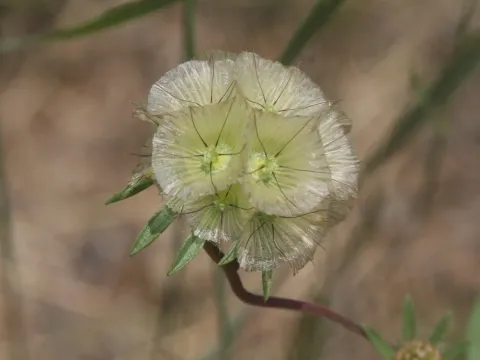
Scabiosa rotata
Scabiosa rotata
Sowing of Scabiosa rotata is usually planned for the spring period when the soil warms up to 10–12 degrees Celsius. To obtain early flowering, sowing in seedling trays in March with subsequent planting in open ground in May is possible.
What the section contains
Scabiosa rotata
The seeds of this crop have moderate germination rates, so it is important to ensure high-quality preparation or stratification. The optimal depth for sowing is no more than 0.5–1 cm to ensure light reaches the sprouts.
The planting scheme must consider the bush's spread. The recommended distance between plants is 25 to 35 centimeters, which allows for sufficient air circulation around each specimen.
After sowing, the area should be slightly compacted and moistened. First shoots under favorable weather conditions appear 14–21 days after fieldwork.
When cultivating for industrial or decorative purposes, it is important to follow crop rotation, avoiding returning the crop to the same place for at least 3-4 years.
Scabiosa rotata prefers open areas well-lit by sunlight. A lack of light leads to elongated stems and a loss of the plant's decorative value.
The crop has moderate soil requirements but thrives best on light, well-drained loams with a neutral or slightly alkaline pH level.
The plant has good drought tolerance, but for abundant flowering, regular watering is required during periods of prolonged lack of precipitation. Excessive waterlogging is fatal to the root system.
Scabiosa is quite tolerant of temperature conditions, easily enduring summer temperature spikes, but requires protection from cold winds and drafts during early developmental stages.
An important aspect is regular weeding and loosening of inter-row spaces to prevent crust formation and ensure oxygen access to the roots.
The main danger to the crop is fungal diseases, such as powdery mildew, which occurs in high humidity and dense plantings.
Root rots are a serious threat that develops during water stagnation. To prevent this, it is necessary to adhere to a strict watering regime and ensure good drainage of the area.
Among pests, aphids and spider mites are most commonly found, which suck sap from young leaves, slowing down the plant's growth.
To combat insect pests, it is recommended to use broad-spectrum insecticides or biological agents at the early stages of infestation.
Regular monitoring of the plantations allows for the timely detection of infection hotspots and prevents the spread of diseases across the entire site.
Harvesting of Scabiosa rotata inflorescences is carried out during the phase of full bud opening when they reach maximum decorative appeal.
To prolong the freshness of cut flowers, it is recommended to harvest in the morning hours when the plant is saturated with moisture after the night cooling.
If the purpose of cultivation is seed production, inflorescences should be collected after they turn brown and dry directly on the stem before natural shattering occurs.
The collected seed pods are dried in a dry, ventilated room at room temperature, followed by cleaning and sorting.
After the end of the vegetative season, the above-ground part of the plant is cut, preparing the plot for the winter period or subsequent soil cultivation.