
Scabiosa silenifolia
Scabiosa silenifolia
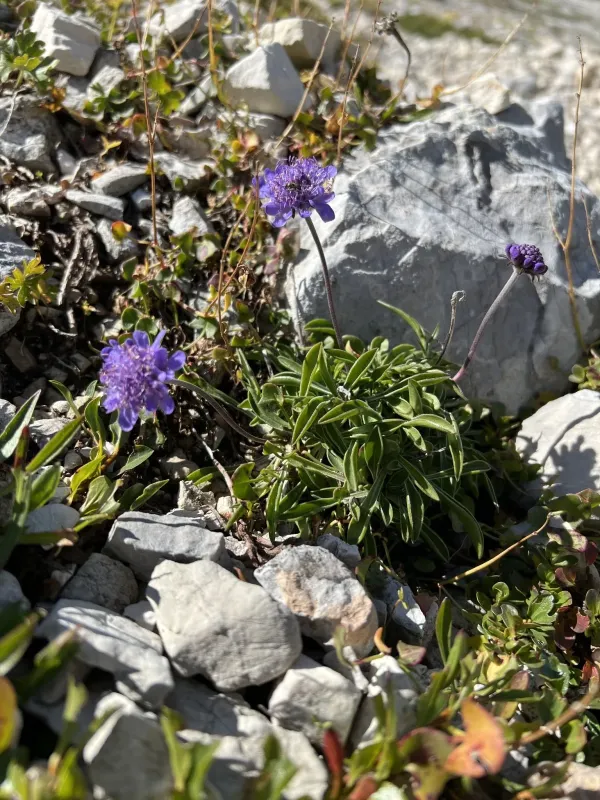
Description
Growing requirements
Scabiosa silenifolia is a perennial herbaceous plant belonging to the Caprifoliaceae family. It is native to high-altitude regions in Southern Europe, specifically adapted to cooler climates and mountainous conditions where it thrives in alpine-like environments.
The plant is defined by its distinctive narrow leaves resembling those of Silene species, which gives it its specific name. It typically forms a low, compact mound of foliage from which slender stems emerge, carrying elegant, soft-hued flower heads throughout the summer months.
Cultivation requires well-drained, gritty, or rocky soils with a neutral to alkaline pH level. In heavy soils, it is essential to incorporate sand or gravel to prevent water stagnation, as the root system is highly susceptible to rot if kept in consistently damp conditions.
Full sun is a critical requirement for this species to ensure optimal blooming and to maintain its compact growth habit. Once established, the plant demonstrates good drought tolerance, making it an excellent candidate for xeriscaping or rock garden designs in suitable climates.
In landscaping, Scabiosa silenifolia is prized for its long flowering period and attractive, delicate appearance. It is frequently utilized in rock gardens, scree beds, and as an edge plant in perennial borders where it provides a refined, naturalistic aesthetic.
Main diseases and pests
The primary threats to the health of this species are fungal diseases, particularly those exacerbated by high humidity or poor air circulation. Botrytis and root rot are common issues if the soil moisture level is not strictly managed to allow for drying between waterings.
Pests such as aphids and spider mites can occasionally affect the plant, particularly during hot and dry spells. Monitoring the undersides of the leaves is crucial, and early intervention with insecticidal soaps or specific horticultural oils can effectively prevent significant damage.