
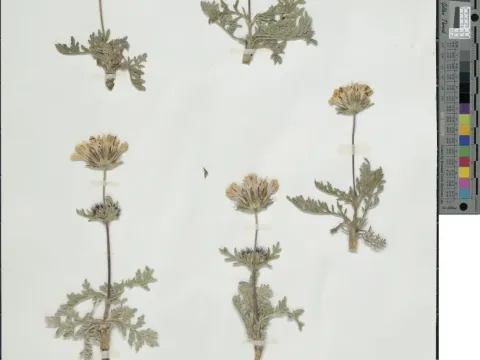
Scabiosa pulsatilloides
Scabiosa pulsatilloides
Scabiosa pulsatilloides is a perennial herbaceous plant belonging to the Caprifoliaceae family. Native to the mountainous regions of the Iberian Peninsula, this species is naturally adapted to rugged, high-altitude environments characterized by rocky soil compositions and limited organic matter.
What the section contains
Scabiosa pulsatilloides
Botanically, the plant is distinguished by a rosette of basal leaves and relatively short, sturdy stems topped with head-like inflorescences. The specific epithet "pulsatilloides" refers to the resemblance of its flowering habit to certain species of Pulsatilla, highlighting its unique floral morphology.
Successful cultivation requires environmental conditions that mimic its native habitat. The plant demands excellent drainage and is highly intolerant of waterlogged soil. It thrives in full sun, requiring exposure to direct sunlight for the majority of the day to maintain its compact and healthy habit.
The soil profile should be alkaline or neutral, preferably rich in mineral content rather than organic fertilizers. Adding coarse grit or sand to the planting site is essential to prevent moisture accumulation near the crown, which is the primary cause of failure in domestic gardens.
In terms of agricultural and horticultural use, Scabiosa pulsatilloides is primarily an ornamental crop used in rock gardens and dry, xeriscaped landscape designs. Its drought tolerance and aesthetic appeal make it a valuable plant for sustainable gardening practices that prioritize water conservation.
The most significant threat to Scabiosa pulsatilloides is fungal infection, particularly root rot, triggered by poor soil aeration and excessive rainfall. Prevention is centered on maintaining a porous soil structure and ensuring that the plant is not buried too deeply during the planting process.
Pests such as aphids and spider mites can cause damage during the growing season. Aphids tend to congregate on the developing flower heads, distorting their growth, while spider mites cause foliage yellowing and decline under hot, dry conditions.
Nematodes represent a soil-borne threat that can cause significant damage to the root system. Crop rotation and the removal of infected plant debris are standard sanitation measures employed to manage the spread of soil-borne pathogens in commercial or private nursery settings.
Powdery mildew may occur if air circulation is inadequate. Proper spacing between individual plants is necessary to reduce humidity levels within the canopy, preventing the formation of mycelium on the leaves and stems during damp weather.
Biological control methods, such as the introduction of beneficial insects to manage aphid populations, are often preferred over chemical applications. If chemical intervention is necessary, it must be performed with caution to avoid damaging the pollinators that visit these flowers.