
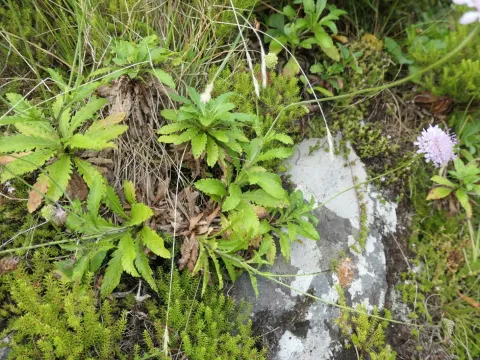
Scabiosa nitens
Scabiosa nitens
Scabiosa nitens is a perennial herbaceous plant belonging to the Caprifoliaceae family. When growing this species, it is essential to choose the right sowing time: late spring is usually preferred to ensure stable warm temperatures for germination.
What the section contains
Scabiosa nitens
For earlier blooms, seeds can be started indoors in containers during early March. The seeds require surface sowing or very light covering as they benefit from light exposure during the initial germination phase.
The germination process should take place in a temperature range of 18 to 20 degrees Celsius. Once the seedlings develop two sets of true leaves, they should be pricked out into individual pots to foster strong root development before transplanting.
Transplanting to the permanent garden site occurs in late spring or early summer, allowing for at least 30 to 40 centimeters of space between individual plants to ensure proper aeration.
Autumn sowing is also possible in milder climates, where the seeds undergo natural winter stratification, leading to early spring emergence when conditions become favorable for growth.
This species thrives in locations with full sun exposure, as insufficient light will lead to weak stems and a significant reduction in flowering performance. Well-drained soil is a non-negotiable requirement for Scabiosa nitens.
The soil should ideally be neutral or slightly alkaline, rich in organic matter, and loose in structure. In areas with heavy clay soil, adding sand or gravel is necessary to prevent waterlogging, which often leads to root decay.
While known for moderate drought tolerance once established, the plant requires consistent watering during extended dry periods to maintain its ornamental appeal and support the production of numerous flower heads.
Fertilizing with a balanced mineral complex at the beginning of the growing season and before the bud formation phase significantly improves the overall health and color saturation of the flowers.
Mulching the surrounding soil helps maintain moisture levels and prevents the growth of weeds, which could compete with the plant for nutrients. It is also important to deadhead spent blooms to encourage continuous flowering throughout the season.
The plant is susceptible to fungal infections, particularly powdery mildew, which manifests as a white, dusty layer on the foliage under humid conditions. Maintaining proper spacing is crucial to prevent the spread of spores.
Aphids and spider mites are the most common pests affecting this species, damaging the foliage and extracting vital juices from the stems. Early detection is vital for the successful management of these populations.
Fungicide treatments are effective against fungal diseases if applied at the first sign of symptoms. It is also recommended to clean the planting area of any debris in the autumn to reduce the likelihood of pathogens overwintering.
For pest control, insecticidal soap or specific systemic insecticides should be utilized. Always follow local environmental guidelines when applying chemicals to avoid harming beneficial pollinators like bees and butterflies.
- Powdery mildew in high humidity
- Root rot due to poor soil drainage
- Aphid infestations on flower stalks
- Spider mite damage during hot, dry weather