
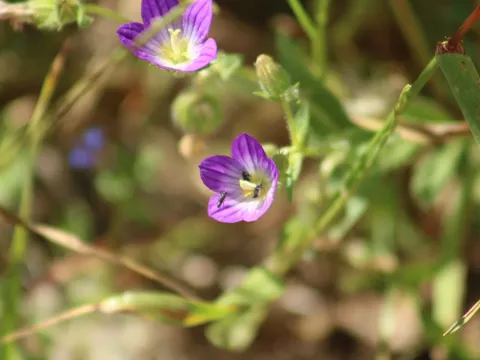
Bristly bellflower
Campanula strigosa
The bristly bellflower is an annual herbaceous plant belonging to the Campanulaceae family, typically propagated through seed sowing.
What the section contains
Bristly bellflower
Sowing in open ground should be performed during the spring season when soil temperatures are consistently above the frost threshold.
Given the minute size of the seeds, they should be distributed on the soil surface and only lightly pressed or covered with a very thin layer of substrate.
For more controlled development, greenhouse cultivation is recommended, starting seeds in seedling trays during early spring months.
Proper irrigation during the germination phase is critical, as seedlings are susceptible to desiccation until they develop a stronger root system.
The plant thrives in regions with temperate climates, mimicking its native habitat where it receives ample direct sunlight throughout the day.
It prefers well-drained, fertile soil, ideally with a neutral to slightly alkaline pH, which prevents root rot and ensures vigorous growth.
Soil structure should be light and breathable; therefore, incorporating organic matter or sand is advised if the site has heavy clay tendencies.
Though adapted to some arid conditions, regular and moderate watering is necessary to support its blooming phase during the height of the summer.
Strategic placement in the garden should ensure protection from strong winds that might damage the slender, bristly stems of the plant.
Fungal pathogens such as powdery mildew represent a major threat to the plant, especially in areas with poor airflow and high humidity levels.
Root rot is a common physiological issue resulting from over-irrigation or inadequate drainage, leading to rapid wilting and plant death.
Aphid infestations are frequently observed on the foliage and buds, requiring intervention to prevent the spread of viral infections and stunted growth.
Gastropods, including slugs and snails, can severely impact the aesthetic value by consuming large portions of the soft green leaf tissues.
Effective management includes maintaining optimal planting density, consistent sanitation practices, and early detection of pest-related signs.