
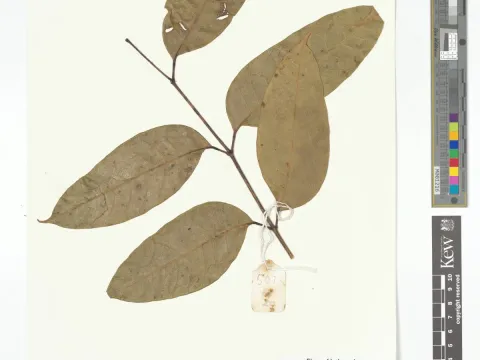
Rough-barked canarium
Canarium asperum
The rough-barked canarium (Canarium asperum) is an evergreen tree species belonging to the Burseraceae family. Native to the tropical regions of Southeast Asia, the Philippines, and parts of Oceania, this plant thrives in lowland rainforests. It is a significant multipurpose species valued for its edible nuts and durable wood.
What the section contains
Rough-barked canarium
This crop requires a tropical climate characterized by high humidity and consistent temperatures. It does not tolerate frost and grows best in areas where annual rainfall is abundant and evenly distributed. Full sun exposure is preferred for adult trees, although young saplings benefit from some shelter in the early stages of establishment.
Soil requirements are centered on deep, fertile, and well-drained substrates. The rough-barked canarium is adaptable to various soil types, but it performs optimally in soils with high organic matter content. Proper drainage is essential, as waterlogged conditions lead to rapid decline and root susceptibility to pathogens.
Agronomic management includes maintaining adequate spacing between trees to allow for canopy expansion and air circulation. Weed control around the base of the trunk is crucial, especially during the first few years of growth. Fertilizer application, based on soil testing, can significantly improve nut yield and overall plant vigor in poorer soils.
The primary economic use is the production of edible nuts, which are harvested from the fruits. These nuts are a rich source of healthy oils and proteins, often consumed locally or processed into food products. Furthermore, the tree provides valuable timber that is utilized in carpentry and furniture making due to its density and fine texture.
Disease threats primarily involve fungal issues that thrive in high-humidity environments. Leaf spot diseases and root rot are common in neglected plantations where humidity remains trapped due to poor ventilation. Maintaining a healthy balance of canopy density through strategic pruning is the best cultural control method.
Pest management focuses on monitoring for wood-boring insects and foliage feeders. While the rough-barked canarium is generally robust, severe infestations can stunt growth and reduce nut production. Integrated pest management, emphasizing cultural practices and the preservation of natural predators, is highly recommended over heavy chemical reliance.