
Cardamine kitaibelii
Cardamine kitaibelii
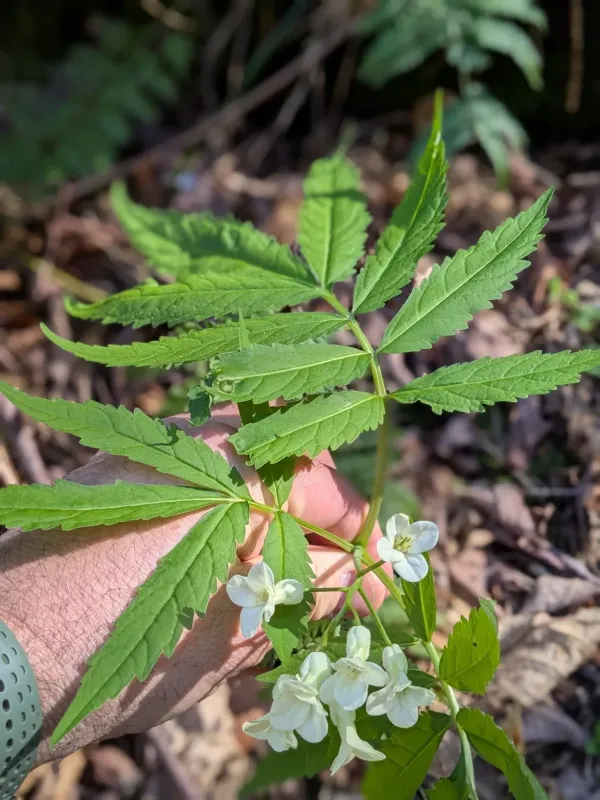
Description
Sowing dates
Cardamine kitaibelii belongs to the Brassicaceae family and is a perennial herbaceous plant. It is primarily native to the mountainous forested regions of Central and Southeastern Europe, where it thrives in moist, shaded conditions.
To sow the seeds, a period of cold stratification is highly recommended to improve germination rates. Seeds should be sown in late autumn or early spring, lightly pressed into a moist, humus-rich substrate without burying them too deeply.
Maintaining high humidity is crucial during the germination process. Using a clear cover over the seedling trays can help trap moisture, but it must be removed periodically to allow fresh air circulation and prevent mold formation.
When transplanting seedlings, spacing them at least 20 cm apart allows for healthy leaf development. Ensure the root system remains undisturbed during the transfer to a permanent shaded spot in the garden.
Vegetative propagation can be achieved by dividing established clumps in early spring or after the main flowering phase. This ensures that the new plants have enough time to establish their root systems before the onset of extreme temperatures.
Growing requirements
The plant requires cool, shady conditions to flourish. It is best suited for woodland gardens where it can grow beneath the canopy of trees or shrubs, protecting it from direct, intense sunlight that can scorch its delicate foliage.
Soil requirements include a moisture-retentive, loose, and slightly acidic medium. Incorporating leaf mold or well-rotted compost into the soil helps mimic the natural forest floor environment where the plant natively grows.
Regular hydration is essential, as Cardamine kitaibelii does not tolerate drought. The soil must stay consistently damp but never waterlogged, which can be achieved through mulch application to preserve moisture in the root zone.
Temperature control is vital; the plant performs best in mild climates. During periods of heat, providing additional shade and fine-mist irrigation can help maintain the turgor of the leaves and prevent stress on the plant.
Minimal fertilizing is usually sufficient if the soil is rich in organic matter. An early spring application of a balanced, low-concentration liquid fertilizer can support robust growth if the plants appear nutrient-deficient.
Main diseases and pests
Crucifer flea beetles are the primary insect threat, often attacking the leaves during the early growing season. Using physical barriers like fine mesh covers or organic sprays can help mitigate damage during the peak activity of these pests.
Slugs and snails can cause significant destruction to the leaves of the plant. Gardeners should implement integrated pest management, such as setting up beer traps or using copper tape barriers around the planting area to deter them.
Fungal issues, such as powdery mildew, may occur if there is insufficient air movement between plants. Spacing plants appropriately is the best way to prevent such problems and maintain the overall health of the garden bed.
Root rot is common in heavy, poorly drained soils. Improving soil aeration with grit or perlite is a necessary step if the native ground is clay-based, ensuring that excess water can drain away freely from the roots.
Routine inspection of the foliage is recommended to catch infections early. By removing dead or diseased parts immediately, gardeners can prevent the spread of pathogens and keep the plant colony strong and productive.