
Brassica souliei
Brassica souliei
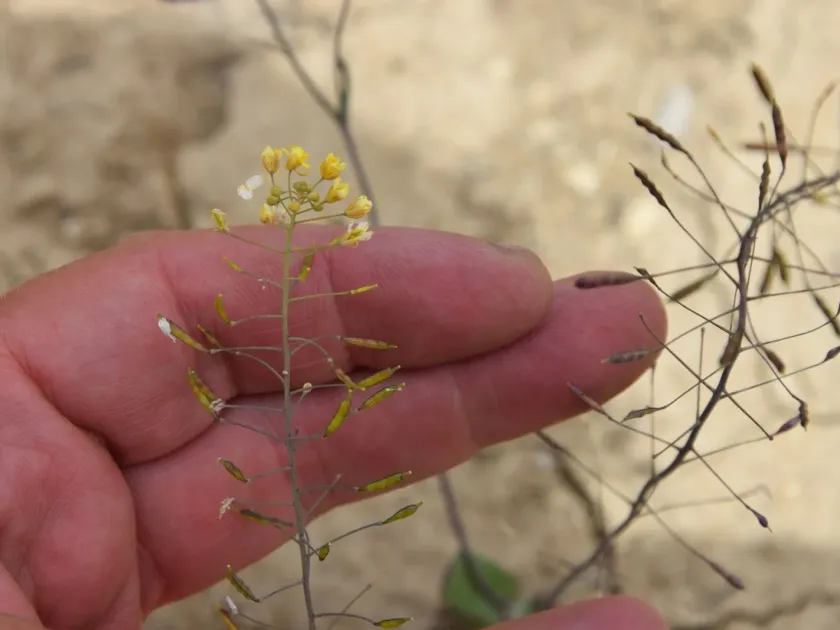
Description
Sowing dates
The sowing schedule for Brassica souliei typically aligns with the spring season, once soil temperatures consistently reach 6–8°C. This timing ensures rapid seed germination and establishes a robust root system before the onset of dry conditions.
In regions with milder climates, winter sowing may be possible, provided that the chosen cultivars show sufficient resistance to early spring frost. The optimal seeding depth is 2–3 centimeters, maintaining a planting density that ensures adequate nutrient availability.
The cultivation technology involves either row or wide-row seeding patterns, depending on whether the primary goal is green biomass production or seed harvesting. Ensuring proper seed-to-soil contact is essential for uniform emergence.
Crop rotation management is critical, as this species is susceptible to soil-borne pathogens common among the Brassicaceae family. It is generally advised not to sow the crop after other cruciferous plants more frequently than once every 3–4 years.
If nitrogen supplementation is required, the majority should be applied shortly before sowing to stimulate vigorous initial vegetative growth and maximize the canopy development.
Growing requirements
Brassica souliei exhibits high adaptability to various soil types, although it performs best in light to medium loams with a neutral to slightly alkaline pH. These soils allow for optimal root penetration and nutrient uptake.
This crop is recognized for its relative drought tolerance, attributed to a deep taproot system. It can effectively access moisture from deeper soil layers, making it a viable option for regions prone to periodic water shortages.
The plant thrives in well-lit conditions, as shading significantly reduces photosynthetic rates and total biomass accumulation. Its inherent cold hardiness allows it to survive minor temperature drops during the early vegetative stages.
While the crop can survive in moderately fertile soils, additional mineral fertilization often yields better results. However, waterlogging and poor drainage must be avoided as they lead to root rot and stunted plant development.
As a member of the Brassicaceae family, the plant has specific physiological requirements for sulfur and calcium, which are essential for forming healthy seeds and nutrient-rich biomass.
Yield
The yield potential of Brassica souliei varies significantly based on regional climatic factors and the intensity of agricultural management. Under optimal conditions, the plant can produce substantial biomass suitable for high-quality forage.
Key drivers of productivity include sufficient nitrogen levels and timely pest control. The crop's inherent competitive nature against weeds during the early establishment phase helps in maintaining clean fields.
The crop is utilized both as a source of high-protein forage and as a green manure (cover crop), which helps improve soil structure and organic matter content for subsequent crops in the rotation.
In seed production plots, managing development stages is vital to minimize pod shattering. Modern harvesting equipment and adjusted settings are necessary to reduce potential losses during the threshing process.
Average biomass yields can reach high levels under intensive management regimes, including supplemental irrigation and strategic fertilization during the active stem elongation phase.
Main diseases and pests
The primary pest affecting this crop is the crucifer flea beetle, which poses the greatest threat during the initial seedling stage when the plants are most vulnerable due to their limited leaf surface area.
Additionally, the crop is susceptible to infestations by the pollen beetle and the cabbage moth, both of which can significantly decrease generative productivity and the quality of the harvested seed material.
Common diseases include clubroot and fusarium wilt. To mitigate these risks, strict spatial isolation from other cruciferous crops and adherence to recommended rotation intervals are mandatory practices.
Humid and cool weather conditions may facilitate the development of alternaria leaf spot and downy mildew, requiring prompt application of fungicides in accordance with local regulatory guidelines.
Adopting integrated pest management strategies allows farmers to minimize harvest losses by balancing agrotechnical preventive measures with the judicious use of authorized chemical control agents.
Harvesting
Harvest timing is dictated by the intended use of the crop. For forage purposes, harvest should occur before significant stem lignification begins, ensuring the biomass retains its maximum nutritional value.
When the goal is seed production, reaching technical maturity is the deciding factor. This is signaled by the browning of the pods and the characteristic change in seed color specific to the variety.
Mechanical harvesting is generally conducted via direct combining or a two-stage method if uneven pod ripening is observed across different plant strata.
Monitoring seed moisture levels at harvest is critical for successful long-term storage. If necessary, seeds must be dried using specialized equipment to prevent spoilage and quality degradation.
Post-harvest residues should be incorporated into the soil, serving as organic material that enriches the topsoil with nutrients and boosts beneficial microbial activity in the rooting zone.