
Cardamine crassifolia
Cardamine crassifolia
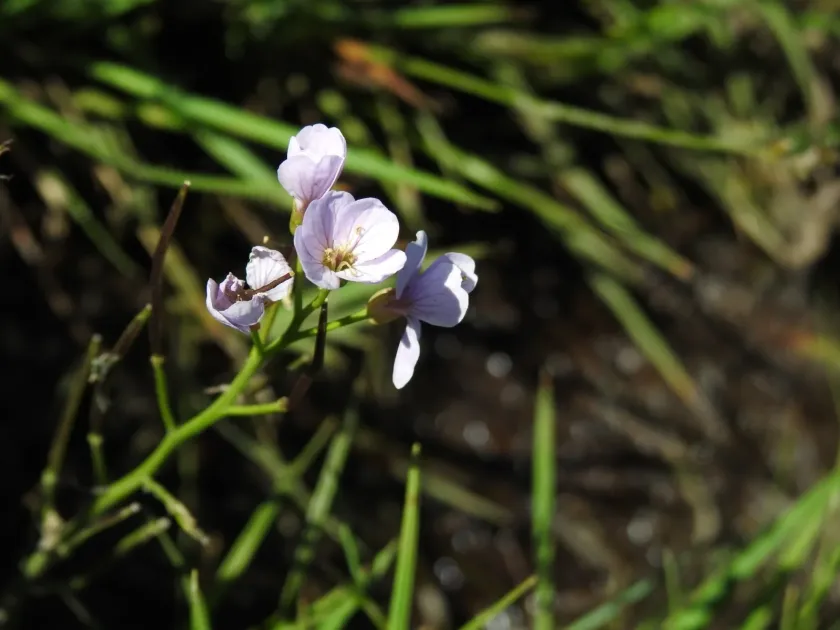
Description
Sowing dates
Cardamine crassifolia, belonging to the Brassicaceae family, is a cold-hardy herbaceous plant that thrives in moist environments. When planning for cultivation, the most reliable results are obtained through late autumn or early spring sowing, which mimics the natural germination cycle of the species.
The seeds should be sown shallowly, ideally no deeper than 1 centimeter, into well-drained but consistently moist soil. Because the seeds are tiny, they require careful monitoring during the germination phase to ensure the surface layer does not dry out.
Indoor propagation is also possible; sowing in trays during late February allows for controlled growth. Once the seedlings reach the stage of two sets of true leaves, they are ready for transplanting into the field or permanent growing containers.
Spacing is essential for high-quality leaf production. Plants should be set at least 15 centimeters apart to prevent overcrowding, which facilitates airflow and reduces the risk of fungal outbreaks within the crop density.
Consistent moisture management during the early establishment phase is the key to success. In field conditions, a light mulch can be applied around the seedlings to conserve soil moisture and suppress competition from weeds.
Growing requirements
This crop thrives in areas with high humidity and moderate temperatures. It prefers partial shade, as excessive direct sunlight can cause the leaves to become bitter and lead the plants to bolt prematurely, sacrificing edible quality for seed production.
Soil requirements focus on high organic content. Loamy, humus-rich soils that retain moisture without becoming waterlogged are ideal. If the native soil is too heavy, the incorporation of compost or peat moss is highly recommended to improve structure.
The ideal temperature range for Cardamine crassifolia is between 12 and 20 degrees Celsius. In climates with warmer summers, the crop should be grown during the cooler shoulder seasons of spring and autumn to avoid heat stress.
Watering regimes should prioritize frequent, light irrigation rather than deep, infrequent watering. Drip irrigation or overhead misting systems are effective ways to maintain the necessary humidity levels around the foliage.
Soil pH should remain near neutral, between 6.0 and 7.0. While the plant is not highly demanding regarding mineral fertilizers, a balanced, organic-based liquid fertilizer can be applied sparingly during the active growth phase to boost biomass.
Main diseases and pests
The most persistent threat to this crop is the crucifer flea beetle, which can quickly perforate the leaves. Integrated pest management using physical barriers, such as floating row covers, is often more effective than chemical treatments.
Fungal issues, particularly powdery mildew and root rot, are common when air circulation is poor or soil drainage is inadequate. Managing plant density and avoiding excess moisture on foliage during late evenings significantly reduces disease risk.
Slugs and snails are major pests in humid, sheltered environments. They can be effectively managed through the use of organic deterrents or by maintaining clean cultivation rows free of damp debris where these pests prefer to hide.
To ensure long-term health, rotate the crop every two to three years. This practice breaks the life cycles of soil-borne pathogens that commonly affect Brassicaceae crops, ensuring a healthier subsequent season.
Monitoring the plants weekly for early signs of chlorosis or spot development allows for quick intervention, often simply by thinning the stand or improving ventilation around the affected area.
Harvesting
Harvesting Cardamine crassifolia is usually done by cutting the outer leaves once the plant has established a healthy rosette. This "cut-and-come-again" method allows for multiple harvests throughout the growing season.
The best time for harvest is early morning, as this is when the leaves contain the highest water content and optimal flavor profile. Leaves should be harvested before the plant produces flower stalks to maintain the desired culinary texture.
Post-harvest handling is critical due to the fragile nature of the leaves. They should be stored immediately in a refrigerator or a chilled environment with high relative humidity to prevent wilting and maintain freshness for as long as possible.
If seed harvesting is intended, allow the best specimens to bolt. Monitor the pods closely; as they begin to yellow, they can be harvested and dried in a controlled environment to prevent premature shattering and loss of seeds.
Culinary uses for this species include fresh consumption in salads and as a flavor-enhancing garnish. The flavor, which carries a signature mustard-like heat, makes it a valuable addition to gourmet vegetable palettes.