
Brassica villosa
Brassica villosa
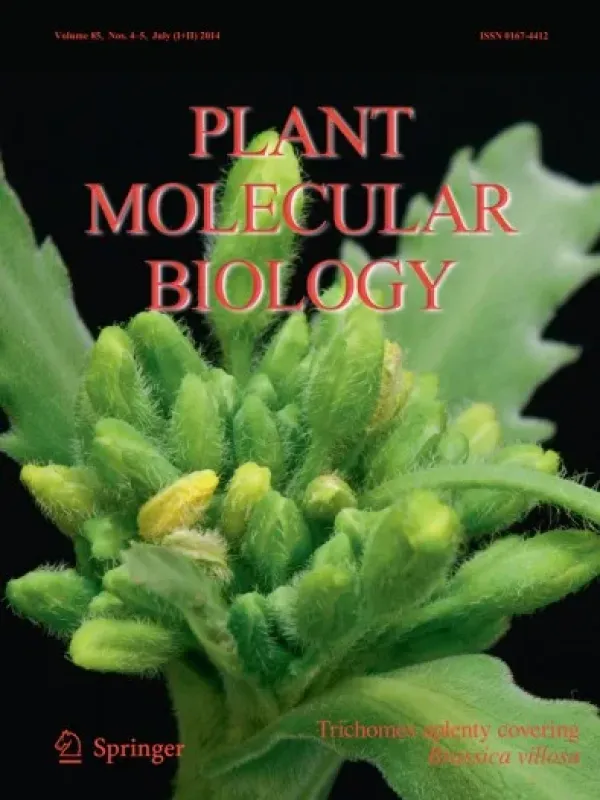
Description
Sowing dates
Brassica villosa is a wild species within the Brassicaceae family, primarily recognized for its genetic diversity and potential application in improving commercial cabbage cultivars.
Propagation is typically carried out via seeds, which should be sown in well-drained, fertile soil during the early spring when ground temperatures reach approximately 8 to 10 degrees Celsius.
Due to the wild nature of the species, seed stratification is often recommended to break dormancy and ensure a uniform germination rate across the planting bed.
Seeds should be planted at a shallow depth of about 1 to 2 centimeters, ensuring sufficient soil moisture is maintained during the critical initial stages of seedling development.
Proper spacing, approximately 45 to 50 centimeters between plants, is essential to allow for adequate air circulation and to minimize the risk of developing humidity-related diseases.
Growing requirements
Originating from rocky terrains in Sicily, this plant thrives in environments that mimic its native habitat, specifically requiring full sun exposure to flourish properly.
The ideal soil profile for Brassica villosa is alkaline or neutral, rocky, and characterized by excellent drainage, as the species is highly susceptible to root rot in waterlogged conditions.
The plant demonstrates remarkable tolerance to Mediterranean-style drought conditions, supported by its characteristic villous (hairy) foliage which helps in reducing transpiration rates.
Temperature fluctuations are generally tolerated well, but extremely harsh frost can damage young plants, making protective measures advisable in colder climatic zones.
Soil nutrient levels should be managed carefully; while the plant is robust, excessive nitrogen can lead to succulent growth that is more prone to environmental stress and pests.
Main diseases and pests
The most common agricultural pests affecting Brassica villosa include flea beetles, which primarily target the young leaf tissue during the early vegetative stage of growth.
Aphids can also pose a significant threat during periods of rapid leaf expansion, requiring vigilant monitoring and integrated pest management strategies to control population outbreaks.
Clubroot (Plasmodiophora brassicae) remains the most severe pathological threat, particularly in fields where soil pH is not properly managed or where cruciferous crops have been grown recently.
Powdery mildew may develop during warmer, humid spells, appearing as a dusty white fungal layer on the leaves, which can impede photosynthesis if not addressed promptly.
Caterpillars, particularly those of the cabbage white butterfly, can defoliate plants rapidly, necessitating regular inspections to remove eggs or larvae before widespread damage occurs.
Harvesting
The primary utility of Brassica villosa lies in its value as a genetic reservoir, providing traits for pest resistance and drought tolerance for commercial Brassica improvement programs.
Seed harvesting is conducted when pods reach maturity, indicated by a change in color to straw-yellow and the natural tendency of the pods to begin splitting open.
Harvested material should be dried in a cool, well-ventilated location away from direct sunlight to ensure the longevity of the seeds and prevent the growth of storage molds.
After thorough drying, seeds should be cleaned of debris and stored in sealed, cool containers to maintain viability for future research or propagation cycles.
Documentation of the harvest is crucial for researchers, including recording phenotypic data and collection site conditions to maintain accurate genetic records for further breeding utilization.