
Cardamine chelidonia
Cardamine chelidonia
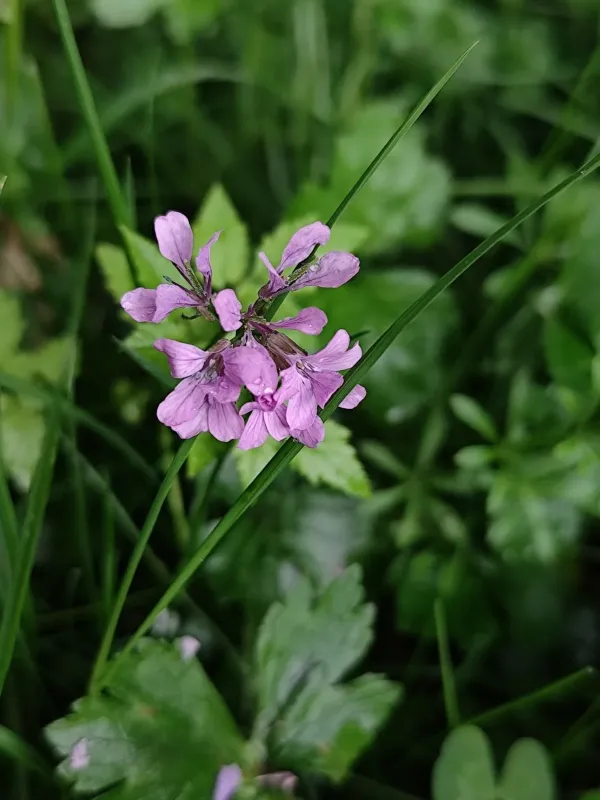
Description
Sowing dates
Cardamine chelidonia, known as a member of the Brassicaceae family, is a herbaceous plant with specific growth requirements.
Sowing should ideally occur in early spring, once the soil temperature is sufficient to support germination and the threat of severe frost has passed.
The seeds are relatively small, requiring shallow placement, no deeper than 1-2 cm, to ensure successful sprout emergence.
Row planting with spacing of about 25-30 cm allows for proper airflow and eases the subsequent cultivation and weeding process.
Thinning is a crucial practice for this crop, ensuring that individual plants have enough space to develop robust roots and foliage.
Growing requirements
This crop thrives in moist environments, making sites with consistent moisture or irrigation potential essential for high-quality production.
The ideal soil profile is fertile and well-drained, with a slightly acidic to neutral pH level to optimize nutrient uptake.
While it can tolerate full sun in cool climates, partial shade is preferred in warmer regions to prevent leaf scorch and dehydration.
Routine cultivation tasks include managing weeds during the early stages of growth and ensuring adequate organic matter incorporation into the soil.
Mulching may be used to help retain soil moisture, which is particularly beneficial during hot and dry summer months.
Main diseases and pests
Common pests include cruciferous flea beetles, which can cause significant damage to the leaf tissue of young plants.
Fungal issues such as powdery mildew may develop if there is insufficient air circulation or if the foliage remains wet for extended periods.
Slugs and snails often target young, succulent growth, requiring monitoring and organic barrier methods for effective protection.
Integrated pest management, including regular inspection and early intervention, is recommended to keep the population of pests under control.
Preventative cultural practices, such as proper spacing and cleaning of debris, significantly reduce the incidence of soil-borne diseases.
Harvesting
The optimal harvest window is during the late vegetative or early flowering stage when the plant foliage is at its peak quality.
Mechanical or manual harvesting involves cutting the above-ground biomass, leaving enough base stem to ensure potential regrowth.
Immediate handling post-harvest is essential to prevent degradation, especially if the product is intended for drying or essential oil extraction.
Drying is typically carried out in shaded, well-ventilated areas to maintain the integrity of the plant’s volatile compounds.
Stored product quality depends on minimizing exposure to humidity and light, utilizing breathable packaging materials for long-term storage.