
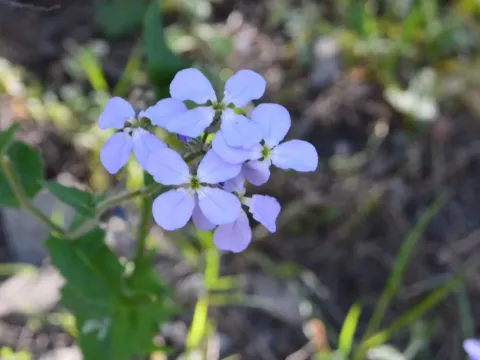
Hesperis steveniana
Hesperis steveniana
The sowing of Hesperis steveniana is ideally performed in early spring as soon as the soil temperature reaches 8–10 degrees Celsius, or alternatively during the autumn months in October. Seeds should be planted at a depth of 1–2 centimeters to ensure rapid and uniform emergence.
What the section contains
Hesperis steveniana
This crop exhibits high germination energy provided that soil moisture levels are maintained. A recommended row spacing of 30–45 centimeters facilitates essential field operations and proper plant development.
Proper preparation of the seedbed is critical; it must be thoroughly loosened and cleared of perennial weeds to prevent competition. Utilizing precision seeders allows for optimal stand density across the field.
After sowing, light rolling of the soil surface is recommended to improve seed-to-soil contact. In arid climates, irrigation immediately following planting is mandatory to support initial growth.
Initial seedlings typically appear within 10–14 days, requiring close monitoring to prevent the formation of a hard soil crust. Cultivation between rows should be performed as needed to enhance soil aeration and root development.
Hesperis steveniana, a member of the Brassicaceae family, thrives in open, sunny locations with well-drained, fertile soil. It is notably drought-tolerant but reaches peak performance on neutral-pH loam soils.
The plant demonstrates excellent resistance to cold temperatures, making it suitable for a variety of climatic conditions. However, stagnant water in the root zone must be avoided to prevent fungal issues and root rot.
To promote vigorous growth, the application of phosphorus and potassium fertilizers is highly beneficial, as these nutrients strengthen the plant's resilience. Nitrogen fertilizer may be applied during the active vegetative stage.
Regular soil cultivation between rows helps preserve moisture and improves oxygen access to the roots. Following a proper crop rotation strategy is essential to avoid the buildup of pathogens common to the Brassicaceae family.
During the budding phase, the plant has an increased demand for moisture; therefore, timely irrigation during this period significantly improves the quality of the harvested biomass and seeds.
Crucifer flea beetles are the primary pests affecting Hesperis steveniana, particularly during the early seedling stage. Preventive insecticide applications or the use of protective netting can significantly reduce potential damage.
In high humidity environments, plants may be susceptible to powdery mildew, which presents as a white powdery coating on the leaves. Managing plant density and ensuring adequate airflow are key cultural practices to prevent infection.
The larvae of the cabbage white butterfly can cause significant leaf damage. Regular field monitoring is essential, and biological control methods should be prioritized once pest populations reach economic threshold levels.
Root-borne diseases, such as clubroot, require strict vigilance as the pathogens can persist in the soil for extended periods. If infected plants are identified, they should be immediately removed and disposed of off-site.
Downy mildew may occur during cool and damp weather, necessitating frequent inspections. Systemic fungicides may be applied if environmental conditions favor disease spread and initial symptoms are detected.