
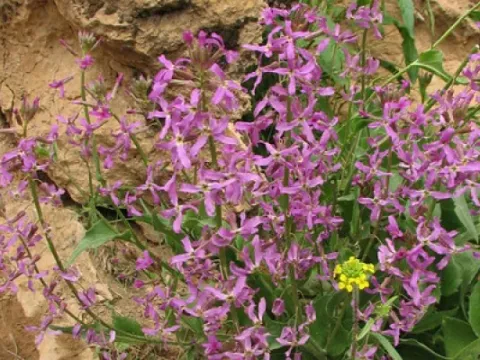
Hesperis persica
Hesperis persica
Hesperis persica is a distinctive species within the Brassicaceae family, originating from the mountainous regions of Iran and Central Asia. This plant has adapted to survive in diverse elevations, exhibiting remarkable resilience in its natural habitat.
What the section contains
Hesperis persica
Successful cultivation requires well-drained, sandy-loam soils that prevent waterlogging. The plant thrives in locations with good sun exposure but remains tolerant of partial shade, making it a versatile choice for various garden landscapes.
Climate requirements for this species are centered around temperate conditions with distinct seasonal shifts. It is highly valued for its ability to withstand cool spring temperatures while maintaining steady growth during the warmer summer months.
The botanical structure consists of a basal rosette of leaves followed by upright stems bearing fragrant flowers. These flowers are especially aromatic during dusk, which is a key trait of the genus Hesperis, helping to attract nocturnal pollinators effectively.
Agricultural use of Hesperis persica is primarily focused on ornamental planting and honey production. Because of its hardy nature, it is frequently used to provide ground cover or to enhance the biodiversity of gardens and meadows.
Crucifer flea beetles are the primary pests affecting young seedlings. These insects can quickly defoliate the plant, so monitoring the area during the early stages of growth is essential to ensure the plant's long-term survival.
Clubroot is a significant fungal threat that targets the root system. To prevent this disease, it is crucial to avoid monoculture and to rotate the crop with non-brassicaceous species to break the disease cycle in the soil.
Powdery mildew may develop if the plants are placed in areas with poor air circulation or excessive moisture. Pruning and spacing are critical agricultural practices to maintain healthy airflow and reduce humidity around the leaves.
Aphids can cause stunted growth by feeding on the sap of the inflorescences. While often manageable, severe infestations may require the application of organic soaps or oils to mitigate damage without harming the local insect population.
Root rot is typically an indication of overwatering or inadequate soil drainage. Gardeners must ensure that the planting site has a proper drainage system to maintain the health of the taproot and overall plant vigor.