
Hesperis laciniata
Hesperis laciniata
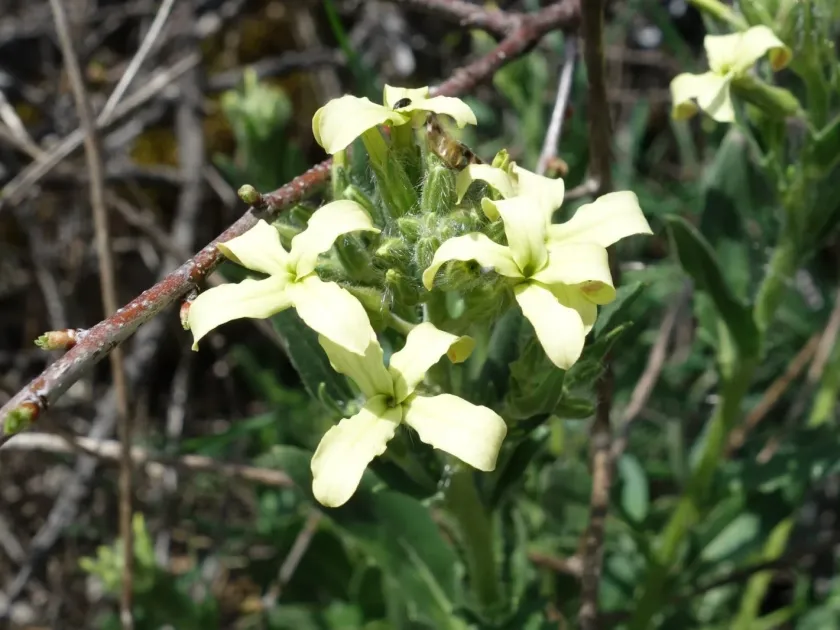
Description
Sowing dates
Sowing of Hesperis laciniata is carried out in the spring once the soil temperature reaches approximately 8-10 degrees Celsius. Seed preparation through calibration is essential for uniform germination.
The sowing depth is recommended at 1-2 centimeters. Precision seeding ensures optimal density, which is critical for the development of individual plants and subsequent yield potential.
Soil compaction after sowing is a standard practice to ensure proper contact between seeds and the soil, facilitating capillary water movement to the seeds.
Autumn sowing can be considered in milder climates, allowing seeds to undergo natural winter stratification, which often results in earlier spring development.
Field layout should prioritize proper spacing to prevent competition between plants, allowing them to form robust rosettes before moving into the reproductive phase.
Growing requirements
Hesperis laciniata belongs to the Brassicaceae family and thrives in well-drained, fertile soil. It performs best in sunny locations with neutral pH levels and good aeration.
The crop demonstrates reasonable drought tolerance; however, irrigation during the active growth period is beneficial for maximizing biomass production and seed set.
Weed control and inter-row cultivation are vital components of the crop management plan, ensuring that nutrients and moisture are dedicated solely to the crop.
Fertilization regimes should be based on soil testing, with a focus on balanced nitrogen and potassium application to support vegetative growth and flowering.
As a nectar-producing plant, it contributes positively to local biodiversity, attracting pollinators that can indirectly enhance the success of the planting.
Main diseases and pests
Cruciferous flea beetles are the most significant threat to Hesperis laciniata, particularly during the seedling stage. Regular monitoring is necessary to prevent severe defoliation.
Powdery mildew is a common disease observed in high humidity or stagnant air conditions. Proper field spacing can help mitigate the risks of fungal proliferation.
Crop rotation is essential for managing soil-borne pathogens. Growing this crop after other Brassicaceae species should be avoided to prevent common disease cycles.
Integrated pest management, including the use of biological control agents, is recommended to keep pest populations below the economic injury level.
Early identification of pest infestations allows for targeted interventions, reducing the need for broad-spectrum chemical treatments and preserving beneficial insects.
Harvesting
Harvesting of Hesperis laciniata seeds should begin when pods show clear signs of maturity, turning brown and drying out, to minimize losses due to shattering.
Swathing, or windrowing, is the preferred method for harvest. It allows the crop to dry naturally in the field before final threshing with a combine harvester.
After threshing, seed cleaning is performed using mechanical separators to remove chaff, dust, and immature seeds, ensuring the purity of the final product.
Storage requires cool, dry conditions with adequate ventilation. Proper moisture content management during storage is crucial to prevent heating and fungal degradation.
For those harvesting the plant for ornamental or green use, timing the cut just before full senescence ensures the highest quality of the harvested biomass.