
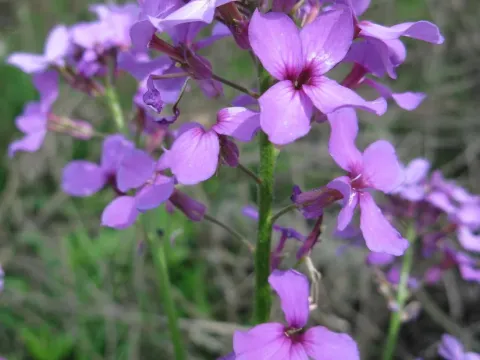
Hesperis pycnotricha
Hesperis pycnotricha
Hesperis pycnotricha belongs to the Brassicaceae family. Sowing in temperate regions is typically carried out in early spring as soon as the soil reaches a working temperature of 10-12 degrees Celsius.
What the section contains
Hesperis pycnotricha
For better results, seeds can be sown in rows, ensuring correct spacing to allow for adequate airflow and plant development during the vegetative phase.
The seeds are small and should be sown at a shallow depth of approximately 1-2 centimeters, followed by light rolling of the soil surface to improve moisture retention.
Seedlings usually emerge within two weeks, at which point it is necessary to thin the rows to prevent competition for light and nutrients among the young plants.
Autumn sowing is also possible in milder climates, providing a head start on spring growth and facilitating more robust development before the heat of summer.
This crop prefers sunny locations with well-drained, fertile soil, ideally with a neutral pH, which ensures optimal conditions for growth and flower production.
While the plant is quite hardy, it is sensitive to waterlogging, which can cause root rot; therefore, selecting sites with proper natural drainage is essential for success.
Regular irrigation is vital during the early stages of growth and throughout the flowering period to maintain plant vigor and encourage consistent nectar secretion.
Nutrient management should focus on incorporating organic matter into the soil prior to planting to provide a steady supply of micronutrients throughout the season.
The plant demonstrates good tolerance to moderate temperature fluctuations, making it a reliable choice for cultivation in varied continental climatic zones.
Hesperis pycnotricha is primarily valued for its nectar production, making it an excellent plant for supporting pollinators and enhancing local honey yield quality.
The overall productivity is largely dependent on plant density and the availability of moisture, which directly affects the volume of biomass and seed output.
Harvesting for seed production should be timed carefully; typically, it involves gathering the pods just before they dry completely to prevent yield losses due to shattering.
The biomass can be utilized in various industrial applications, provided that harvesting occurs at the peak of vegetative development to maximize chemical profile benefits.
Proper management of the planting site, including controlled weed competition, significantly improves the overall economic return of the crop.
Flea beetles are the most significant pests for Hesperis pycnotricha, posing a threat to young seedlings and requiring prompt attention to prevent crop failure.
Fungal diseases, including downy mildew, can occur in poorly ventilated areas or under conditions of high humidity, necessitating the use of preventive agricultural practices.
Effective crop rotation is the primary strategy for minimizing the build-up of soil-borne pathogens and pests common to the Brassicaceae family.
Slugs and snails can cause substantial damage to succulent foliage during damp weather, so regular monitoring and protective measures are recommended during the early growth stages.
Adhering to strict sanitation rules, such as removing crop debris after the season, helps reduce the likelihood of pest overwintering and reinfection in subsequent years.