
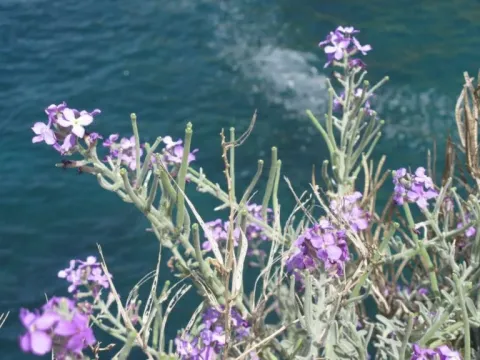
Draba vesicaria
Draba vesicaria
Draba vesicaria is a perennial herbaceous plant belonging to the Brassicaceae family. It is typically found in mountainous regions, adapted to harsh, stony environments where drainage is naturally optimal.
What the section contains
Draba vesicaria
In cultivation, the species requires excellent soil permeability. It thrives in poor, rocky, or sandy substrates, mimicking the conditions of alpine screes where it naturally persists without competition from lush vegetation.
Exposure to full sunlight is essential for this plant, as it has evolved to handle intense solar radiation. Draba vesicaria is highly resistant to cold, making it suitable for areas with severe winter cycles.
Regarding soil chemistry, the plant prefers neutral to slightly alkaline pH levels. It is sensitive to excessive moisture; therefore, gardeners and growers must ensure that the planting site does not retain standing water.
The morphology of the plant involves a compact rosette from which stems arise. The specific epithet vesicaria refers to the inflated, bladder-like appearance of the pods, which is a key diagnostic botanical feature.
Like many members of the Brassicaceae family, Draba vesicaria can be susceptible to crucifer flea beetles, which may damage the leaf tissues during the early stages of plant development.
Fungal diseases such as root rot represent a significant threat to the plant's health, typically occurring when the soil remains consistently damp or when drainage is inadequate.
Mildew and other foliage pathogens may become an issue if the planting density is too high, leading to reduced air circulation around the rosettes, especially in humid climates.
Crop rotation is a recommended strategy to prevent the accumulation of soil-borne pathogens, ensuring the health of the plant population across subsequent growing seasons.
Regular monitoring of the foliage and root zone is critical. Using proper spacing and selecting well-drained, sunny plots will significantly lower the reliance on chemical pesticides.