
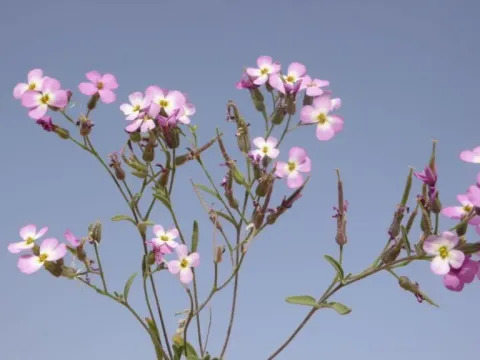
Eigia
Eigia
Sowing dates for Eigia depend on the climatic zone, but the crop is traditionally sown in early spring as soon as the soil warms up to 5-8 degrees Celsius.
What the section contains
Eigia
The optimal time for sowing is considered to be when the risk of late frosts is minimal, allowing seeds to germinate uniformly and develop a primary root system.
In regions with long springs, it is recommended to use seeders with packing rollers to ensure maximum contact between the seed and the moist substrate.
The seeding rate is calculated based on the germination of the seed material and the fertility of the specific field, usually ranging from 150 to 200 kilograms per hectare.
When grown under arid conditions, sowing dates are shifted to the earliest possible dates to utilize the winter moisture reserve before peak temperatures arrive.
Eigia belongs to the cereal family and has moderate requirements for growing conditions, preferring well-drained loamy or sandy loam soils.
The crop demonstrates high adaptability to different soil types but reacts extremely negatively to waterlogging and acidic soil pH reactions.
For normal plant development, a high level of insolation is necessary, as shading leads to stem lodging and a sharp decrease in the quality of vegetative mass.
The temperature range during the active growing season should be between 18 and 25 degrees, which ensures optimal photosynthesis.
The application of mineral fertilizers, especially nitrogen top dressing in the tillering phase, significantly increases yield indicators and the nutritional value of the crop.
The main threats to Eigia plantings are fungal diseases such as root rot and powdery mildew, which actively develop under high humidity conditions.
Among pests, cereal flies and grain beetles cause the greatest damage to crops, capable of destroying a significant part of the harvest during the jointing phase.
To prevent the spread of diseases, it is necessary to strictly follow crop rotation and carry out high-quality seed treatment before the sowing campaign.
An integrated plant protection system includes the use of preventive fungicides during critical developmental phases, which allows for minimizing losses.
Monitoring of entomophages and timely insecticide treatments are mandatory elements of agrotechnical care for this crop.
Harvesting of Eigia is carried out in the wax ripeness phase of the grain, which allows for maximum yield and retention of the crop's nutritional properties.
The direct combining method is most effective under favorable weather conditions, ensuring minimal grain loss with minimum time expenditures.
After harvesting, it is crucial to carry out primary cleaning and bring the grain to base moisture levels to prevent spoilage during long-term warehouse storage.
The use of specialized headers allows for careful cutting of the stems without allowing excessive grain shattering in field conditions.
Transportation of the harvested material must be carried out promptly using airtight containers to exclude moisture ingress and contamination.