
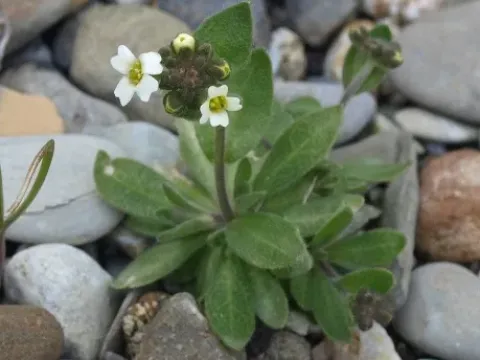
Draba sakuraii
Draba sakuraii
Draba sakuraii is a rare alpine plant belonging to the Brassicaceae family. It is native to the high-mountain regions of Japan, where it has evolved to thrive in harsh, exposed environments characterized by rocky substrate and significant temperature fluctuations.
What the section contains
Draba sakuraii
Botanically, the species is known for its cushion-forming growth habit. This structure provides structural integrity against mountain winds and helps maintain a stable microclimate near the soil surface, which is vital for its survival during the growing season.
Cultivation requires conditions that mimic its natural alpine habitat. The soil must be highly porous, stony, and possess excellent drainage properties. Any soil mixture that retains excess moisture will likely lead to rapid root decay and plant failure.
Temperature management is crucial for the successful growth of Draba sakuraii. It performs best in cooler climates with adequate sunlight and airflow. Excessive humidity combined with stagnant air during summer months poses a significant stress factor for the plant.
While not a major commercial agricultural crop, the species holds value in botanical collections and specialized horticulture. Its unique adaptation to high-altitude stress makes it an interesting subject for studies regarding the resilience of alpine flora.
Root rot remains the most significant threat to the health of this plant, often induced by improper watering practices or heavy, non-draining soil types. Maintaining a dry crown area is essential to prevent fungal outbreaks during periods of high humidity.
Pests typically associated with cruciferous plants, such as flea beetles, may cause damage to the foliage. Integrated pest management should focus on non-chemical deterrents to preserve the sensitive biological balance of this alpine species.