
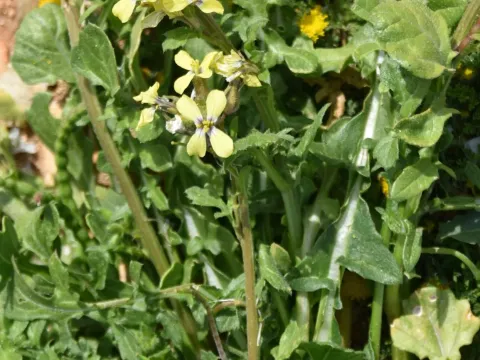
Enarthrocarpus
Enarthrocarpus
Enarthrocarpus is a genus of annual herbaceous plants belonging to the Brassicaceae family. These plants are primarily native to the Mediterranean region, where they thrive in arid and semi-arid environments, demonstrating high ecological plasticity.
What the section contains


Enarthrocarpus
The morphology of the plant includes an erect, branched stem covered with trichomes, which is an evolutionary adaptation to conserve water. The leaves are typically pinnately lobed and arranged in a basal rosette, maximizing photosynthetic surface area during cooler periods of the growing season.
Regarding soil requirements, Enarthrocarpus prefers well-drained, sandy, or loam soils. It is highly intolerant of waterlogged conditions, which lead to root rot. Good aeration of the substrate is essential for the healthy development of the taproot system.
The climate optimal for this genus is characterized by mild, wet winters and warm, dry summers. The plant exhibits high resistance to intense solar radiation and is capable of completing its life cycle within a relatively short period when water is available.
Agronomic management of Enarthrocarpus involves minimal irrigation and fertilization. Due to its drought-tolerant nature, it is often studied for potential use in low-input farming systems or as a component in vegetation restoration projects in arid zones.
The primary pests affecting Enarthrocarpus are crucifer flea beetles (Phyllotreta spp.), which can cause severe defoliation of young plants. Monitoring of seedling health is crucial during the early stages of establishment to prevent significant biomass loss.
Fungal pathogens such as downy mildew and white rust are common threats under conditions of high humidity. These diseases manifest as leaf spots or white patches, which, if left untreated, can compromise the structural integrity of the stems and leaves.
Weed competition is a significant factor in the early growth stages. As Enarthrocarpus grows slowly initially, the presence of vigorous weed species can lead to nutrient depletion and restricted access to sunlight, negatively impacting the final yield.
Soil-borne pests like wireworms may occasionally damage the root system, causing yellowing and wilting. Maintaining a proper crop rotation sequence is the most effective preventative measure against the buildup of such soil-dwelling populations.
Disease management strategies rely on a combination of cultural practices, such as proper spacing to ensure adequate airflow, and the selective application of fungicides if symptoms become widespread. Clean cultivation practices remain the cornerstone of effective management.