
Warea
Warea
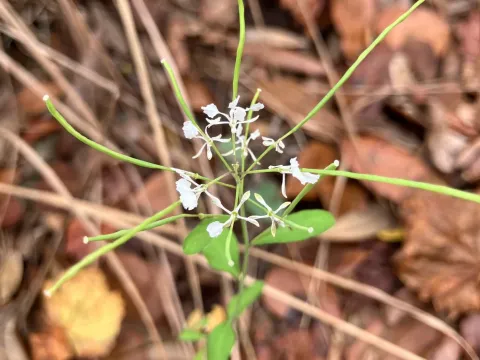
Warea is a genus of flowering plants belonging to the Brassicaceae family. These plants are recognized as annual or perennial herbs that exhibit specific morphological traits typical for the mustard family, such as distinct floral structures.
What the section contains


Warea
The native habitat of the genus is primarily restricted to the southeastern United States, including states like Florida. They are typically found in pine savanna ecosystems and open, sandy habitats that provide specific drainage conditions.
Cultivation of Warea requires strict adherence to soil conditions, emphasizing the need for well-draining, sandy substrates. The species are highly adapted to low-nutrient, acidic to neutral soil environments found in their natural range.
Sunlight is an essential requirement for the growth and development of Warea. As a shade-intolerant species, it requires direct exposure to light throughout its life cycle to maintain healthy vegetative biomass.
Agrotechnical management involves maintaining an open canopy and minimizing competition from surrounding vegetation. Because many species within the genus are rare, cultivation efforts are often focused on conservation and ecosystem restoration.
Habitat loss due to land development remains the primary threat to the survival of Warea populations. The fragmentation of natural pine savannas disrupts the ecological balance required for the species to thrive.
Invasive weed species pose a significant threat to Warea, as they often outcompete native plants for soil nutrients and solar radiation. Dense vegetation cover creates conditions that effectively inhibit seed germination.
Fungal diseases, particularly those affecting the root system, represent a major risk during periods of high humidity. Poor soil drainage can exacerbate the risk of infection, leading to rapid deterioration of plant tissues.
Insect pests, specifically those associated with Brassicaceae, can cause severe defoliation during the peak growth season. Such damage can substantially weaken the plant and reduce its reproductive success.
Alterations to the natural fire regime of the region significantly impact the population dynamics of Warea. Without periodic fires to clear competing brush, the niche space for this plant is rapidly occupied by woody species.