
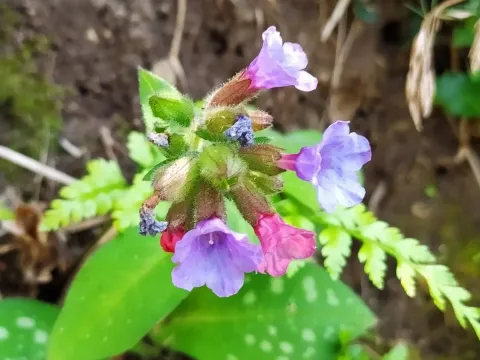
Pulmonaria vallarsae
Pulmonaria vallarsae
Pulmonaria vallarsae is a perennial herbaceous plant belonging to the Boraginaceae family. It is a highly valued ornamental species native to the mountain regions of Northern Italy.
What the section contains
Pulmonaria vallarsae
The plant thrives in moist, well-draining soil that is rich in organic matter. A neutral to slightly acidic soil pH is optimal for maintaining the vibrant leaf coloration associated with this species.
This species is specifically adapted to shaded environments. It performs exceptionally well in woodland gardens or under the canopy of large trees where it receives dappled sunlight.
Temperature requirements are moderate, as the plant prefers cool to temperate climates. It is hardy and can withstand low winter temperatures, making it suitable for temperate zone landscapes.
Agricultural maintenance involves consistent moisture management. During dry summer periods, supplementary irrigation is essential to prevent wilting and maintain the aesthetic quality of the foliage.
Powdery mildew is the most common fungal disease affecting this plant, especially when planted in areas with poor air circulation or high humidity levels during the summer months.
Gastropods, such as slugs and snails, represent a significant threat to young plants, often feeding on the soft leaves and significantly reducing their ornamental value.
Root rot can occur if the plant is situated in waterlogged soil. Proper soil drainage is a critical prerequisite for avoiding this issue during the establishment phase.
Effective management includes maintaining optimal spacing between plants to encourage airflow, which helps to naturally suppress the development of fungal pathogens.
Monitoring the foliage for signs of pest damage or fungal spots should be performed regularly, with targeted treatments applied only when necessary to preserve garden balance.