
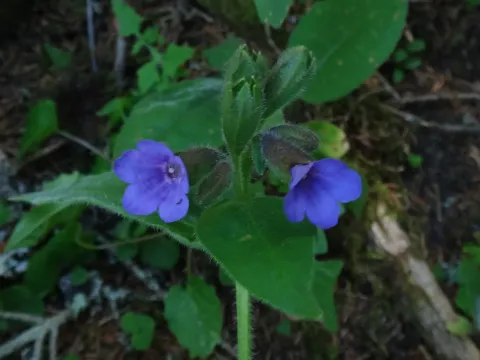
Kerner's lungwort
Pulmonaria kerneri
Kerner's lungwort (Pulmonaria kerneri) is a perennial herbaceous plant belonging to the Boraginaceae family. Naturally, it inhabits the shaded forest environments of Central and Southeastern Europe, thriving under a canopy of broad-leaved trees.
What the section contains
Kerner's lungwort
This species is highly sensitive to its environmental conditions, preferring sites with moderate shade and protection from direct, intense sunlight which can scorch the foliage. It performs best in regions with mild winters and consistent moisture levels.
The ideal soil profile for this plant includes well-drained, humus-rich substrates. It is essential to ensure that the ground remains moist but not waterlogged, as the roots are prone to decay in stagnant water conditions.
Cultural practices involve maintaining a layer of organic mulch around the plant base. This mimics the natural forest floor habitat, helps retain soil moisture, and protects the root system from extreme temperature fluctuations during the dormant season.
Botanically, the plant is recognized by its distinct mottled leaves and early spring flowers. These blooms often undergo a color transformation, changing from pink to blue as they mature, which serves as a physiological marker of the aging process of the flowers.
Powdery mildew is the most prevalent fungal disease affecting Kerner's lungwort, often triggered by poor air circulation in overcrowded garden beds or high atmospheric humidity.
Slugs and snails represent the primary pest challenge, frequently attacking the lush, succulent leaves during wet spells and causing significant aesthetic damage to the plant foliage.
Root rot remains a serious threat in poorly drained soils, making the installation of proper drainage systems a prerequisite for successful cultivation in garden settings.
Aphids may occasionally infest the developing flower stems in late spring, requiring close monitoring and timely application of mild insecticidal soaps if population levels exceed thresholds.
Sanitation practices, such as the removal of senescing leaves and debris, are crucial to preventing the overwintering of pathogens that could compromise the plant in the following season.