
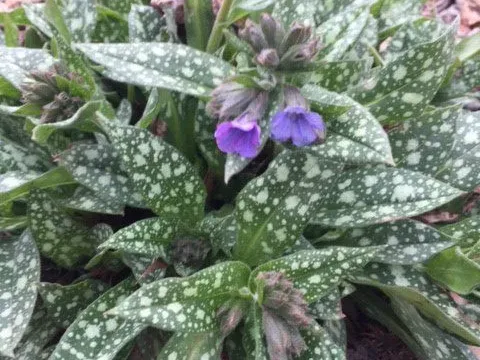
Hybrid lungwort
Pulmonaria hybrids
Hybrid lungwort (Pulmonaria hybrids) is a perennial herbaceous crop belonging to the Boraginaceae family. These plants are the result of extensive hybridization, specifically selected for their variegated foliage and showy flowers, making them a staple in temperate ornamental gardening.
What the section contains
Hybrid lungwort
The plant originates from European and Asian woodland habitats, which dictates its preference for shaded or semi-shaded environments. In cultivation, it thrives best under canopy shade where light is filtered and humidity levels remain consistent throughout the growing season.
Soil requirements focus on high organic content and excellent moisture retention without compromising drainage. The ideal substrate is slightly acidic to neutral, rich in humus, and capable of maintaining a cool root zone, which is essential for the vigorous growth of the rhizomes.
Climatically, hybrid lungwort is highly adapted to cool-temperate regions. It exhibits strong winter hardiness, allowing it to survive frost cycles effectively. However, in regions with very dry summers, supplemental irrigation is necessary to prevent leaf wilt and premature senescence of the foliage.
Economically, this crop serves as a vital component in landscaping, particularly for woodland gardens and as a ground cover. Additionally, its role as an early-season nectar source provides an essential ecological service, supporting pollinators before many other floral resources become available.
The primary pathological threat to lungwort is powdery mildew, a fungal infection that covers leaves with a characteristic white dusty layer. Proper spacing and airflow are critical preventative measures, supplemented by the use of appropriate fungicides if an outbreak occurs.
Slugs and snails are the most prominent insect-related pests, particularly in damp, sheltered areas. These gastropods feed on the foliage, often causing significant aesthetic damage. Integrated pest management, including barrier methods or biological baits, is usually sufficient to manage populations.
Root rot caused by stagnant water is a significant physiological threat. When the soil remains waterlogged, oxygen levels in the rhizosphere drop, leading to pathogen proliferation. Ensuring a high-quality soil structure and avoiding low-lying areas with poor drainage is the primary defense strategy.
Maintenance practices, such as clearing debris in early spring, are essential for disease prevention. Removing old, diseased foliage minimizes the inoculum load for fungal pathogens, keeping the plant healthy through the peak summer heat when it is most susceptible.
Vigilance is required throughout the growing season to detect early signs of infestation. While hybrid lungwort is generally robust, quick action against the first signs of stress ensures the longevity and continued vigor of the planting site.