
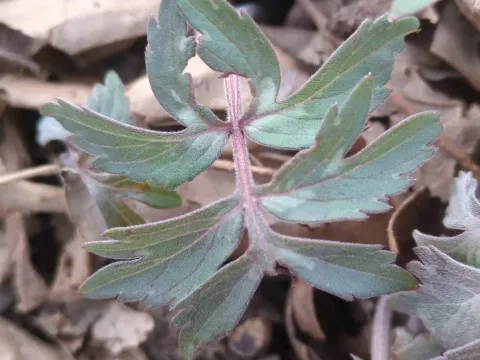
Hydrophyllum
Hydrophyllum
Seeds of Hydrophyllum require a period of cold stratification to break dormancy, making autumn sowing the most effective method for successful germination.
What the section contains


Hydrophyllum
If planting in the spring, seeds should be pre-chilled in a refrigerator for at least eight weeks to ensure that the embryo is ready to develop in the soil.
The sowing depth should be maintained at a shallow level, typically around 1 cm, ensuring that the soil remains moist but not saturated during the sprouting phase.
Proper spacing is crucial for mature plants to allow for healthy airflow and to prevent competition for nutrients between individual plants in the row.
Using a germination tray in a controlled environment can also be effective if the outdoor soil temperature is not stable enough during the early stages of development.
Hydrophyllum thrives best in shaded environments that mimic the floor of a deciduous forest, with protection from direct, intense sunlight during the midday heat.
The soil must be rich in organic matter, well-draining, yet capable of retaining sufficient moisture throughout the active growing season of the plant.
An ideal pH range for this culture is slightly acidic to neutral, which allows the plant to efficiently uptake essential micro and macronutrients from the soil.
Consistent moisture is the primary requirement for successful growth; therefore, mulch is highly recommended to regulate soil temperature and prevent evaporation.
The plant demonstrates significant resilience in cooler climates but requires shelter from strong winds that can strip moisture from its broad leaf surfaces.
Gastropods such as slugs and snails are the most frequent pests, particularly in shaded and moist areas where they hide from the sun during the day.
Fungal diseases, including powdery mildew and various leaf spot pathogens, may occur if plants are overcrowded or if air circulation is inadequate.
Aphid infestations can occur during periods of stress, leading to stunted leaf growth and the potential for the transmission of secondary viral infections.
Root rot becomes a critical risk in poorly drained soils, particularly during periods of high rainfall or if irrigation schedules are not strictly monitored.
Effective management includes regular inspection of the lower leaf surfaces and the application of organic pest control methods when populations reach thresholds.