
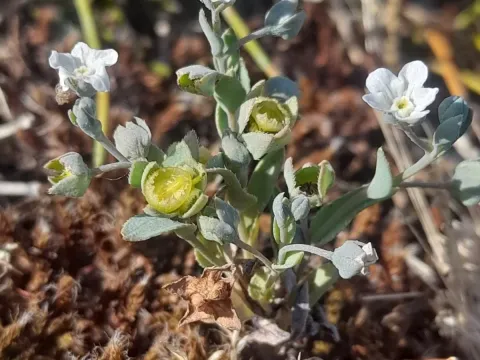
Iberodes
Iberodes
Sowing of Iberodes is primarily carried out in the spring season once the soil temperature reaches 10–12 degrees Celsius. In regions with milder climates, late autumn sowing is possible to achieve early germination.
What the section contains
Iberodes
Seeds are sown at a depth of 1–2 centimeters. Maintaining row spacing of 25–30 centimeters is crucial for providing sufficient space for proper root system development and plant vigor.
Seedlings typically emerge within 14–20 days after planting, provided that soil moisture levels are consistently maintained. During this stage, preventing the soil from drying out is critical for establishment.
Professional growers often use seed stratification to improve germination rates. Ensuring high seed quality and proper planting density is essential for achieving a uniform and productive stand.
Once seedlings reach the two-leaf stage, thinning should be performed to eliminate competition and promote the growth of robust, healthy plants. Regular inter-row cultivation helps in suppressing weeds.
Iberodes, belonging to the Boraginaceae family, thrives in well-lit areas with light, well-drained soils. The plant is sensitive to waterlogging, making site selection on elevated ground a priority for success.
The culture adapts well to various soil types, but sandy loams and light loams with a neutral or slightly alkaline pH are considered optimal. Excessive soil acidity should be corrected with lime.
As a sun-loving plant, Iberodes requires at least 6–8 hours of direct sunlight daily. Insufficient light leads to stunted growth, loss of structural integrity, and reduced flowering capacity.
Climatic requirements involve a moderate need for warmth. Iberodes shows decent frost resistance, though providing light organic mulch during harsh winter months can protect the crown and root system.
Watering should be moderate and consistent. Over-irrigation is discouraged as it can lead to root rot diseases, especially in soils with high clay content that drain poorly.
The main threats to Iberodes are fungal diseases related to humidity, such as powdery mildew, which can significantly damage foliage if air circulation is poor.
Pests such as aphids and spider mites can become problematic during hot, dry spells. Regular monitoring of the canopy is essential to detect pest activity before it spreads across the field.
Management of pests and diseases involves integrated pest management (IPM) practices, utilizing systemic fungicides and insecticides only when economic thresholds are met.
Crop rotation is a fundamental practice to prevent the build-up of soil-borne pathogens. Continuous monocropping of Iberodes on the same site for more than three years is not recommended.
Good field hygiene, including the removal of crop residues and control of weeds, is vital. Many weeds act as alternative hosts for viral diseases transmitted by sucking insects.
The primary use of Iberodes lies in landscape design and as a bee-friendly plant for pollinator support. Harvesting in the traditional agricultural sense is not typically performed.
Seed harvesting is conducted when the seed heads reach maturity. The stems are cut, dried in a well-ventilated area, and then threshed to collect the seeds for the next growing season.
As a nectar-producing plant, Iberodes supports local apiaries. The flowering period provides a consistent source of forage for bees, contributing to overall biodiversity in the surrounding ecosystem.
For dried flower production, the stems should be cut at the peak of bloom. They should be hung upside down in a dark, airy space to preserve the color and form of the flowers.
At the end of the growing season, the above-ground biomass is typically mowed. This practice cleans the field, reduces pest overwintering sites, and prepares the soil for the next crop cycle.