
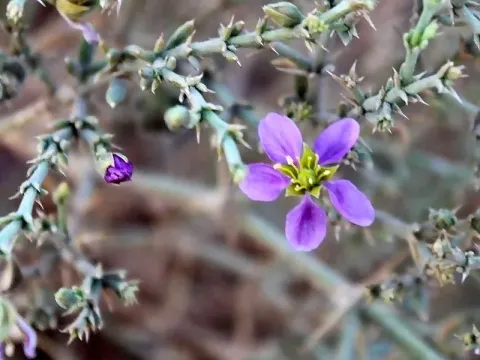
Hormuzakia
Hormuzakia
Hormuzakia, as an uncommon herbaceous plant, is typically propagated through seed sowing, which requires specific attention to environmental control during the germination phase.
What the section contains
Hormuzakia
The optimal sowing time is early spring, ensuring that the soil temperature has reached a level conducive to consistent germination and rapid emergence of seedlings.
Seeds of this genus often benefit from a short period of stratification, which helps break dormancy and improves the overall uniformity of the crop stand.
When sowing, it is advisable to keep the seeds near the soil surface, providing just enough covering to maintain humidity while allowing necessary light exposure for development.
Once seedlings have developed their primary leaves, transplanting to a permanent location should be done carefully to avoid damaging the delicate root architecture established during early growth.
This member of the Boraginaceae family thrives best in full sun exposure, which is critical for maintaining its metabolic activities and structural integrity throughout the season.
Well-drained, porous soil is a non-negotiable requirement for successful cultivation, as the plant is highly susceptible to root damage caused by waterlogging and poor aeration.
Hormuzakia exhibits good tolerance to moderate drought conditions, making it an adaptable choice for cultivation in environments where water resources may be limited.
The soil pH should ideally be neutral or slightly alkaline, promoting optimal nutrient uptake and preventing deficiency symptoms in the foliage and stems.
Adequate space between individual plants is essential to ensure proper airflow, which helps mitigate moisture-related issues and supports the plant's overall health and vigor.
The health of Hormuzakia can be challenged by a range of common pests and diseases that typically impact members of the Boraginaceae family in agricultural settings.
Aphid infestations are among the most prevalent threats, often targeting tender new growth and potentially transmitting viral pathogens that can stunt the plant.
Fungal infections, such as powdery mildew, may occur during seasons characterized by high humidity and stagnant air circulation within the planting site.
Root rot is a major physiological and pathological threat triggered by overwatering or soil compaction, necessitating careful irrigation management and soil quality checks.
Effective management includes regular monitoring for early signs of stress, immediate removal of affected plant material, and the use of targeted biological or chemical control measures.