
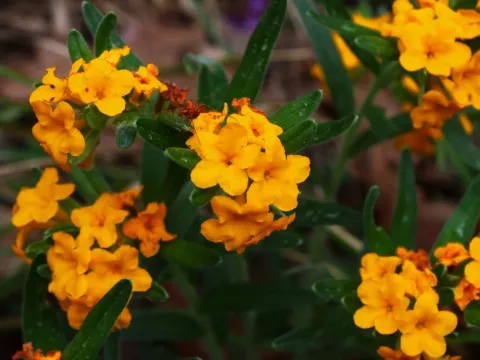
Hoary puccoon
Lithospermum canescens
Hoary puccoon (Lithospermum canescens) is a perennial wildflower belonging to the Boraginaceae family. In agricultural or horticultural settings, propagation is primarily done via seeds, which require specific preparation to overcome natural dormancy mechanisms.
What the section contains
Hoary puccoon
Sowing in autumn is the most effective method, as it exposes the seeds to natural winter chilling, essential for germination. If spring sowing is necessary, seeds must undergo cold stratification in a refrigerator for at least two to three months before being planted.
When seeding, the material should be placed at a depth of 1–2 centimeters in well-prepared, loose soil. Maintaining adequate spacing between rows (30–40 cm) is crucial to facilitate later maintenance and ensure that the plants receive sufficient sunlight during their early growth phase.
The germination period can be extended and irregular, so growers are advised to keep the seedbed free of weeds throughout the spring. Weed competition is often the primary reason for failure in establishing a healthy stand of Lithospermum canescens.
Soil temperatures between 15–20 degrees Celsius are optimal for the initiation of growth. Once established, the seedlings develop a robust taproot system, which helps them survive in variable environmental conditions typical of their natural habitats.
The plant thrives in well-drained, sandy or gravelly soils with a neutral to slightly alkaline pH. Drainage is the most important factor for success; the plant cannot tolerate waterlogged conditions, which lead to root rot and rapid decline.
Lithospermum canescens is highly adapted to drought and thrives in full sun exposure. It is a prairie-origin plant, meaning it requires significant daily sunlight to maintain its vigor and produce its characteristic bright orange-yellow flowers.
Fertilization should be handled with caution. High nitrogen levels encourage excessive foliage growth while potentially suppressing flowering. A light application of a balanced, slow-release organic fertilizer in early spring is usually sufficient to support the plant.
Climate adaptability is strong, as the plant is hardy in most temperate zones. However, it performs best in regions with defined seasonal changes that allow the plant to undergo its natural dormancy cycle during the colder months of the year.
Avoid heavy clay soils or areas where standing water persists after heavy rainfall. If the local soil is heavy, incorporating sand and organic matter is necessary to improve aeration and moisture regulation near the root zone.
The most significant threat to the health of the plant is root system decay, typically caused by fungal infections in overly moist environments. Preventing soil compaction and ensuring adequate aeration are primary defenses against these pathogens.
Insects such as aphids and various larvae can damage the foliage during the growing season. Early monitoring of the leaves and stems allows for timely management, often using neem oil or other targeted biological control methods.
Powdery mildew may occur during periods of high humidity and poor airflow. Providing enough space between plants and avoiding overhead watering are effective strategies to reduce the incidence and spread of fungal leaf diseases.
Rodents, particularly voles, may gnaw on the taproots during the winter months, potentially causing significant damage to the plant stand. Protective barriers or habitat management around the planting site may be required in areas with high rodent populations.
- Regular monitoring of plant health
- Ensuring proper soil drainage
- Manual weed removal
- Use of mulch to manage soil moisture
If harvested for ornamental or potential ethnomedical use, the collection should occur when the plant is in full bloom. Cutting the flowering stems should be done carefully to ensure the crown of the plant is not damaged, preserving it for future growth.
Drying the harvested material is a critical step. It must be done in a shaded, well-ventilated area away from direct sunlight to preserve the vibrant color of the flowers and the integrity of the secondary metabolites within the plant tissues.
Seed collection is a time-consuming process as the seeds mature unevenly. Growers should harvest them gradually as the seed pods begin to darken, preventing loss through natural dispersal onto the soil surface.
After processing, the material should be kept in breathable packaging, such as paper bags, to prevent moisture accumulation and mold growth. Storage conditions must remain cool, dry, and dark to maintain the quality of the product.
Properly dried and stored, the plant material maintains its characteristics for a reasonable period. The key to successful post-harvest management is the total avoidance of humidity during the storage phase.