
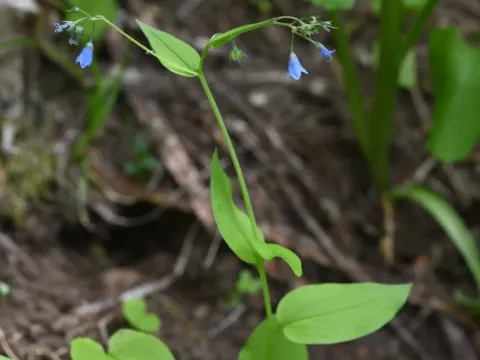
Mertensia bella
Mertensia bella
Mertensia bella is an attractive perennial belonging to the Boraginaceae family. The most effective way to start this plant is through fall sowing in the open ground, which allows for natural cold stratification during winter.
What the section contains
Mertensia bella
If planting in the spring, seeds must be stratified in a refrigerator for at least eight weeks to break dormancy. Sowing should be done in a light, sterile potting mix at a shallow depth of about 0.5 cm.
Germination is often slow and requires patience. Once seedlings reach the stage of having two true leaves, they should be carefully pricked out and transplanted into individual small containers or directly into their final location.
Spacing is essential for the long-term health of the plants. It is recommended to leave 30 to 40 cm between individual specimens to ensure adequate airflow and prevent competition for resources.
The first year of growth is critical, as young plants require consistent attention. Keeping the area free from weeds is vital, as Mertensia bella does not compete well with vigorous weeds during its establishment phase.
This species thrives in partial shade conditions. While it can tolerate more light, it requires cooler soil temperatures to maintain foliage quality throughout the heat of the summer months.
Soil should be rich in organic matter, well-draining, and slightly acidic to neutral. High moisture retention is beneficial, but the roots must not remain waterlogged, as this leads to inevitable rot.
Regular irrigation is necessary throughout the growing season. Applying mulch around the base of the plant helps keep the roots cool, mimics its natural forest floor habitat, and retains soil humidity.
Fertilization should be moderate, focusing on spring applications of compost or well-balanced liquid fertilizers. Over-fertilizing can lead to weak, elongated stems that require support.
Hardiness is generally sufficient for temperate climates, though mulching in late autumn provides added protection against extreme frost and heaving of the soil in exposed garden sites.
Slugs and snails are the primary pests that damage the lush, soft leaves of Mertensia bella. Setting up physical barriers or using pet-safe bait is highly recommended during the spring growth flush.
Root rot is the most common pathology, typically triggered by improper drainage or excessive watering. Ensuring the planting site is well-sloped or amended with perlite can prevent these issues.
Fungal leaf spots can occur when the humidity remains too high and the air circulation around the plant is restricted. Pruning back dense nearby vegetation can help manage this risk.
Aphids might occasionally colonize the young inflorescences. If an infestation occurs, horticultural soap sprays or simple water rinses are usually effective and sufficient for control.
- Monitor for signs of pest damage during spring.
- Maintain proper spacing between plants.
- Improve soil structure with organic amendments.
Mertensia bella is purely an ornamental crop used for aesthetic landscaping. It is highly valued in rock gardens and shaded borders for its unique, bell-shaped flowers and greyish-green foliage.
Seed harvesting should be performed as the seed pods begin to dry and turn brown. Because the seeds can disperse easily, frequent monitoring of the maturing pods is necessary.
Post-flowering maintenance involves cutting back spent flower stalks to preserve energy for root development. This practice also prevents unwanted self-seeding throughout the garden area.
In terms of landscaping use, it pairs perfectly with other woodland perennials like ferns or hostas. It does not possess any industrial or agricultural food utility.
Successful long-term cultivation depends on maintaining a stable environment. When provided with optimal site conditions, the plant can establish a permanent presence in the landscape for many years.