
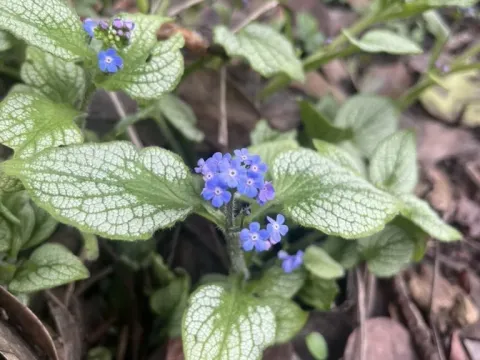
Brunnera
Brunnera
Brunnera (Brunnera) is a genus of perennial herbaceous plants belonging to the Boraginaceae family. It is widely cultivated for its heart-shaped, often variegated foliage and delicate, sky-blue, forget-me-not-like flowers that appear in early spring.
What the section contains


Brunnera
The plant originates from Eastern Europe and Western Asia, specifically regions within the Caucasus and Siberia. Because of this natural habitat, it thrives in temperate climates and is highly regarded as a hardy plant suitable for cool, shaded garden spots.
Brunnera requires partial to full shade to maintain its lush appearance. While it can tolerate more light in cooler northern climates, excessive exposure to direct afternoon sun often causes leaf scorch and dehydration.
The ideal soil for this crop should be rich in organic matter, consistently moist, and well-drained. It performs exceptionally well in woodland-style gardens where the soil structure retains moisture without becoming waterlogged.
Cultural maintenance involves keeping the soil evenly moist throughout the growing season. Applying a layer of mulch helps regulate soil temperature and retain moisture, effectively mimicking the natural forest floor conditions the plant prefers.
Powdery mildew is the most common disease affecting Brunnera, typically occurring in late summer when humidity levels are high. Proper spacing to ensure good air circulation is the most effective preventative measure.
Slugs and snails are the primary pests that damage the foliage. These pests are particularly active during damp weather, and their feeding can leave unsightly holes in the leaves, necessitating manual removal or the application of organic deterrents.