
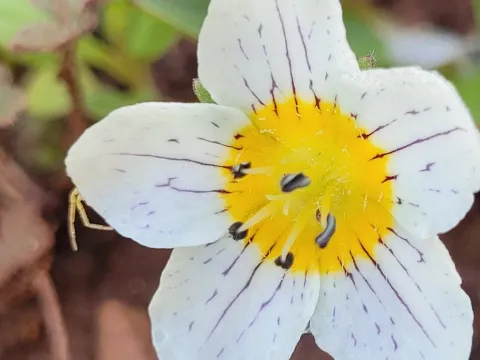
Hesperochiron
Hesperochiron
Hesperochiron is a genus of perennial herbaceous plants belonging to the Boraginaceae family. These plants are native to the western parts of North America and are primarily found in seasonally moist meadows and mountain habitats.
What the section contains


Hesperochiron
Botanically, they are characterized by their compact rosettes of leaves and large, attractive, bell-shaped or funnel-shaped flowers. The growth cycle is strongly tied to seasonal changes, typically blooming in early spring.
To cultivate Hesperochiron successfully, one must provide a well-draining soil medium. The plants are highly sensitive to soil compaction and waterlogging, especially during their dormant phase in the summer months.
The climate requirements for this genus include cool, moist springs followed by drier conditions later in the season. Exposure to intense afternoon heat combined with high humidity should be avoided to prevent stress to the root system.
When grown in a garden setting, it is essential to mimic their natural drainage patterns. The plants require a sunny location, but protection from extreme midday sun is often beneficial for preserving the delicate foliage and extending the flowering duration.
The most significant threat to Hesperochiron is root rot, which is almost always triggered by poor drainage or excessive watering during the dormancy period.
Fungal pathogens can thrive if the plants are placed too closely together, preventing necessary airflow through the leaf rosettes.
Pests such as aphids may congregate on the flower stems, drawing sap and weakening the plant if not managed during the early flowering stages.
Slugs and snails present a constant threat to the new leaves, especially in early spring when the plant is most vulnerable to damage.
Effective management includes maintaining clean growing areas, ensuring proper drainage, and monitoring the plants regularly for any signs of pest infestation.