
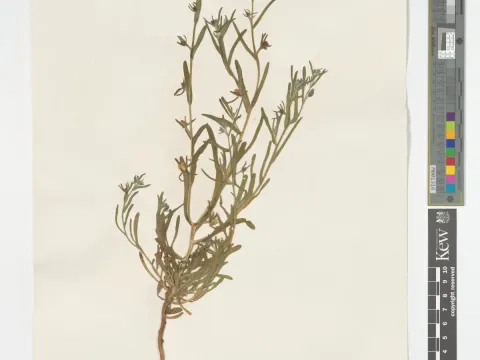
Heterocaryum
Heterocaryum
Heterocaryum is a genus of annual herbaceous plants belonging to the Boraginaceae family, often found in temperate regions across Eurasia.
What the section contains


Heterocaryum
The optimal time for sowing is during the spring months, once the soil has warmed up sufficiently, ensuring a consistent temperature for seed germination.
Seeds should be sown in well-prepared, loose soil, at a depth that protects them from drying out while allowing for efficient emergence of seedlings.
It is recommended to maintain optimal plant spacing to allow adequate airflow, which is critical for the healthy development of the dense foliage characteristic of the genus.
In field conditions, uniform sowing depth is essential for ensuring simultaneous germination, which simplifies future maintenance and field operations.
Heterocaryum thrives in locations that receive full sun exposure for the majority of the day, as insufficient light will compromise its growth rate and vigor.
The soil should have a neutral pH and excellent drainage properties; excessive moisture or waterlogging is highly detrimental to the root system of these plants.
The culture is adapted to drier climates, making it relatively drought-tolerant compared to more moisture-demanding agricultural crops.
Regular maintenance including weeding is vital, as the plant does not compete well with aggressive weeds during its establishment phase.
While the plant does not require heavy fertilization, an initial dose of balanced nutrients can help in establishing a strong root system during early growth stages.
The main threats to Heterocaryum include various fungal diseases that thrive in high humidity and stagnant air conditions, such as powdery mildew.
Pests, particularly aphids and spider mites, can cause significant damage by feeding on the sap, which often leads to stunted development and leaf yellowing.
To mitigate the risk of pest infestation, it is recommended to monitor the fields regularly and ensure that nearby areas are clear of common host weeds.
Applying integrated pest management strategies, such as physical barriers or biological controls, can be effective in preserving the health of the plant population.
Ensuring proper plant spacing and airflow significantly reduces the incidence of fungal pathogens, as it prevents the buildup of excess moisture around the leaves.