
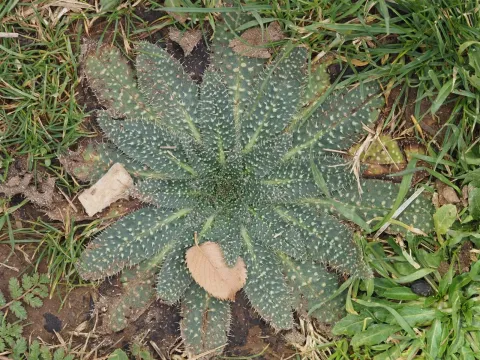
Rough viper's bugloss
Echium asperrimum
Rough viper's bugloss (Echium asperrimum) belongs to the Boraginaceae family. It is a robust biennial or perennial plant known for its significant ecological and agricultural value, particularly in beekeeping.
What the section contains
Rough viper's bugloss
The optimal sowing time is early spring, as soon as the soil can be worked. Autumn sowing is also a viable practice, allowing the seeds to undergo natural stratification and germinate vigorously as soon as temperatures rise.
A seeding rate of approximately 6 to 8 kilograms per hectare is standard. Seeds should be sown at a shallow depth of 1–2 centimeters to ensure they remain moist while receiving sufficient sunlight for germination.
Preparation of the seedbed is essential. The soil should be well-tilled and free of perennial weeds, as the seedlings grow slowly during the first months and can be easily outcompeted by weeds.
Consolidating the soil after sowing using a roller can improve moisture retention. Proper moisture management during the germination phase is the most critical factor for establishing a healthy and uniform stand.
This plant thrives in full sun exposure. It is highly photophilous, and shaded areas will significantly reduce both its growth rate and the nectar production of the flowers.
It is exceptionally drought-tolerant due to its deep taproot, which accesses water reserves inaccessible to many other crops. This makes it an ideal candidate for dry, sandy, or stony soils.
Rough viper's bugloss prefers well-drained soils, including those with a high lime content. It is extremely sensitive to waterlogging, which can cause root rot and rapid decline of the plant population.
Winter hardiness is one of its key features, enabling it to survive harsh climates in temperate regions without the need for additional protective measures or winter cover.
Soil fertility is rarely a constraint. While it responds well to phosphorus and potassium on poor soils, heavy nitrogen fertilization should be avoided as it encourages excessive leaf growth at the expense of blooming.
The primary economic output of Echium asperrimum is nectar. It is highly regarded as a premier honey plant, capable of yielding up to 500 kilograms of honey per hectare under optimal conditions.
The honey produced is of high quality, characterized by a light color, a mild, pleasant flavor, and a slow rate of crystallization, making it very popular in the specialty honey market.
The blooming period lasts several weeks, providing a consistent supply of nectar during the summer months. This makes it a crucial resource for maintaining strong honeybee colonies throughout the season.
As a secondary use, the plant is an excellent choice for erosion control on embankments and degraded slopes. Its root system anchors the soil effectively, preventing runoff during heavy rains.
Seed harvesting should be performed when the capsules turn brown. Since seeds can shatter easily upon reaching maturity, timing is essential to prevent significant harvest losses.
The species is remarkably resistant to most common plant diseases. The lack of disease pressure makes it a low-maintenance crop that rarely requires the application of fungicides.
Occasional infestations by weevils or other coleopteran pests can occur, targeting the floral buds. Monitoring during the early blooming phase is recommended to assess the need for intervention.
Weed control is only necessary during the first stage of development. Once the plants form their dense basal rosette, they are capable of suppressing most competing vegetation.
Biological pest control is preferred if intervention is required, especially given the plant's status as a honey crop. It is critical to protect the visiting pollinators from any chemical impact.
Maintaining a balanced crop rotation and avoiding close proximity to other members of the Boraginaceae family helps in keeping pest populations naturally low and manageable.