
Scented hound's tongue
Cynoglossum suaveolens
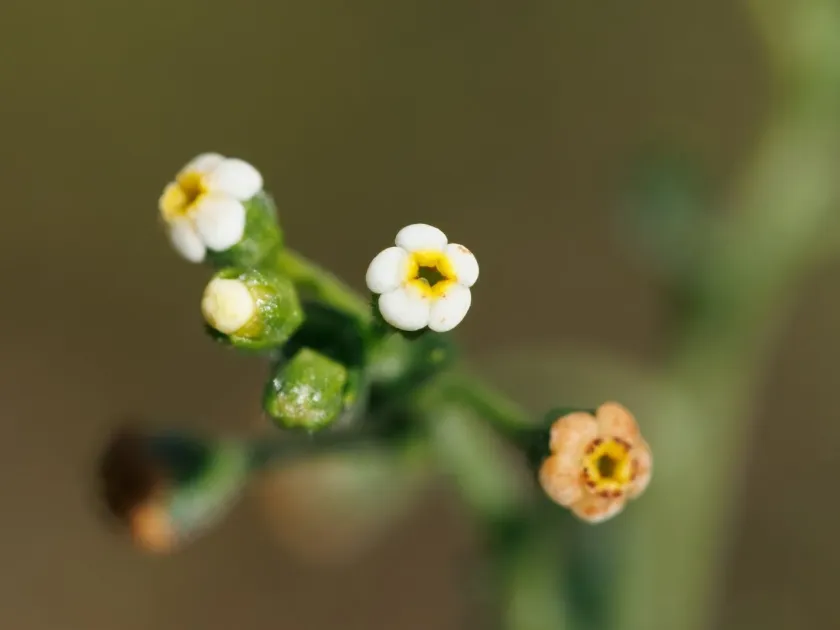
Description
Sowing dates
Scented hound's tongue (Cynoglossum suaveolens) is a member of the Boraginaceae family, widely recognized for its botanical uniqueness. Successful cultivation begins with precise sowing, typically conducted in autumn or early spring when soil temperatures allow for germination.
The seeds often require a period of stratification to break dormancy. This process mimics natural winter conditions, ensuring that seeds sprout uniformly once the environment reaches optimal warmth. Without proper stratification, germination rates can be significantly lower.
Seeds should be sown at a depth of 1.5 to 2.5 centimeters. Row spacing should be maintained between 40 and 50 centimeters to ensure adequate room for plant development and mechanical cultivation, which helps minimize weed pressure in the early stages.
For spring planting, wait until soil temperatures rise to at least 6–10 degrees Celsius. Ensure the seedbed is finely pulverized to maintain good soil-to-seed contact, as the seeds are sensitive to desiccation in dry, cloddy soil conditions.
Post-sowing rolling is recommended to consolidate the soil, which helps draw moisture up to the seeds through capillary action. This practice is essential for obtaining high seedling emergence rates in the initial growth phase of the crop.
Growing requirements
This crop thrives in sunny, open locations, as sunlight is a critical factor in the plant's development and the synthesis of its aromatic properties. Ideal soil conditions include well-draining, fertile sandy loam with a neutral or slightly alkaline pH.
Moisture management is crucial; while the plant requires consistent hydration for growth, it is intolerant to waterlogged soils. Excess moisture in the root zone often leads to oxygen depletion, which can cause significant stunted growth or root decay.
Optimal growth occurs at temperatures ranging between 18 and 25 degrees Celsius. The crop shows reasonable tolerance to light frosts but requires stable, moderate weather conditions during the active vegetative growth phase to reach its full potential.
Regular cultivation of the rows is necessary to aerate the soil and control invasive weeds. Because the crop grows relatively slowly during the first month, weed management is a non-negotiable part of the agronomic cycle to prevent competition for nutrients.
Balanced fertilization is beneficial, particularly during the early vegetative phase. Avoid excessive nitrogen applications, which can encourage leaf growth at the expense of root stability and the overall aromatic profile of the plant material.
Yield
Crop yield for Scented hound's tongue is heavily influenced by site selection and the consistency of the agronomic care provided. When grown under optimized conditions with balanced nutrition, the crop produces a reliable amount of biomass and seeds.
The second year of growth is generally the most productive. At this stage, the plant is fully established, and the concentrations of essential secondary metabolites are at their highest, making it the ideal time for harvesting for specialized uses.
Management of the plant density per hectare directly impacts the final yield. By maintaining the correct spacing, producers ensure that each plant has sufficient access to light and water, minimizing competition and optimizing the final harvest output.
Monitoring the plant's health throughout the season is essential to ensure that the yield potential is not compromised. Adequate nutrient levels, particularly micronutrients like magnesium and boron, play a significant role in flowering efficiency.
Effective crop rotation is necessary to keep yields high over multiple cycles. Introducing break crops in the rotation helps prevent the buildup of soil-borne pathogens, ensuring that the soil remains productive for future plantings.
Main diseases and pests
The most common threats to this crop are fungal diseases triggered by poor drainage or excessive humidity. Root rot, in particular, can be devastating if the soil remains waterlogged, especially in early spring when the plants are still vulnerable.
Powdery mildew is another major concern, particularly when planting densities are too high, as this limits air circulation. Thinning plants and ensuring proper spacing are standard preventive measures to maintain a healthy canopy environment.
Pests, such as various types of caterpillars, can cause localized damage to foliage. Integrated pest management strategies, including the use of targeted biological controls, are recommended to protect the crop without disrupting the local ecosystem.
Soil-dwelling pests like wireworms may occasionally target the root system. Proper soil tillage and the selection of clean, disease-free seed batches remain the most effective ways to mitigate the risk of these underground threats.
Maintaining clean borders around the crop field helps reduce the migration of pests from nearby areas. Regular scouting and early intervention are essential to preventing major outbreaks that could impact the economic viability of the entire crop.
Harvesting
Harvesting strategies for Scented hound's tongue depend on the intended use of the harvest. If collecting foliage for medicinal purposes, harvest should begin just as the plants start their mass flowering period to ensure maximum concentration of compounds.
When harvesting for seeds, timing is critical. Collect when the fruits begin to turn brown, as the seeds are prone to shattering if left on the stalk too long. Timely intervention is required to avoid significant harvest losses.
Post-harvest, the material must be dried quickly in a well-ventilated space, away from direct sunlight. High temperatures during the drying process should be strictly avoided to prevent the loss of delicate aromatic oils that define this species.
Mechanical harvesting equipment should be calibrated to handle the plant gently to prevent crushing or excessive breakage. Minimizing mechanical stress during the harvesting process helps preserve the appearance and quality of the final dry product.
Final processing involves cleaning and sorting the product to remove any field debris. Storing the crop in breathable containers is recommended to ensure longevity and preserve the quality of the harvested materials throughout the storage period.