
Coldenia greggii
Coldenia greggii
Description
Growing requirements
Coldenia greggii is a low-growing perennial shrub belonging to the Boraginaceae family. It is a highly specialized plant adapted to the harsh, arid climates of the Chihuahuan Desert, where survival depends on extreme water efficiency.
The plant is native to arid regions of North America, typically found in limestone-based, rocky soils. Its growth pattern is dense and prostrate, which helps to minimize wind exposure and retain essential moisture within the canopy.
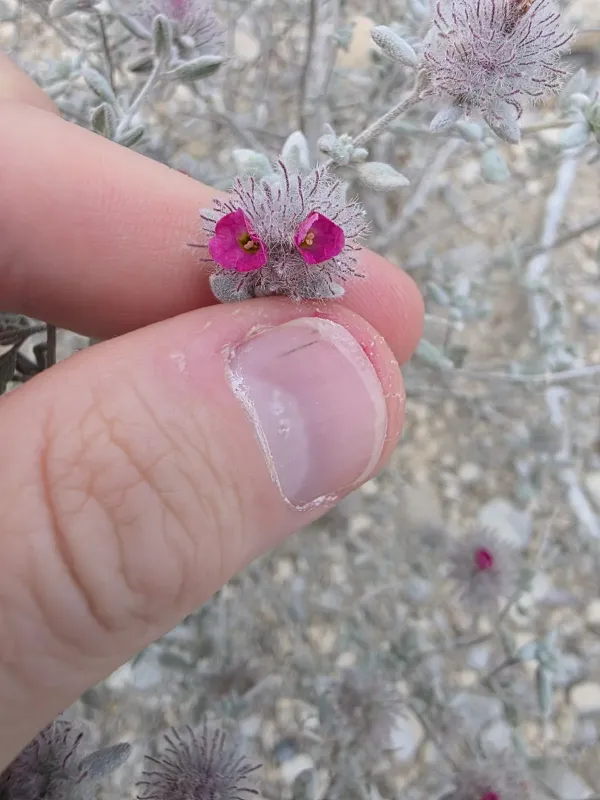
Botanically, the species is characterized by small, greyish, pubescent leaves. This pubescence acts as a natural sunscreen, reflecting intense solar radiation and significantly reducing the rate of transpiration during peak heat hours.
The cultivation requirements focus on high solar exposure and excellent drainage. The species is highly intolerant of waterlogged soil conditions, as its root system is adapted to rapidly absorbing sparse precipitation rather than standing in wet substrate.
Its primary agricultural and ecological use lies in landscape restoration and soil stabilization. It is a valuable asset in xeriscaping and for rehabilitating degraded desert lands where traditional agricultural crops would fail.
Main diseases and pests
The main threats to Coldenia greggii involve habitat destruction due to grazing pressure and industrial activity, which disrupt the fragile surface crust of the soil where these plants establish.
Disease outbreaks in this species are relatively uncommon in its native habitat; however, root rot remains a primary concern in artificial cultivation if the soil drainage is not maintained to strict standards.
Pests affecting the plant include various desert-dwelling insects that can feed on foliage, although the dense hairs on the leaves provide a physical deterrent against many generalist herbivores.
Competition from invasive plant species poses a significant threat, as these invaders often deplete the meager water resources faster than the native Coldenia can sustain.
Conservation strategies focus on protecting the soil integrity of the desert plains, ensuring that the natural symbiotic soil microorganisms remain intact to support the plant's growth.