
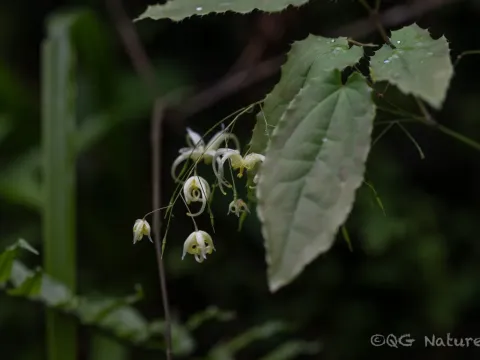
Epimedium acuminatum
Epimedium acuminatum
Propagation of Epimedium acuminatum is primarily achieved through division. The best time for this procedure is early spring, just before the new growth begins, or late summer immediately after the flowering period.
What the section contains
Epimedium acuminatum
When propagating by seed, stratification is essential. Seeds should be sown in containers during late autumn or winter, allowing them to experience a cold period, which significantly improves germination rates in the spring.
When planting, it is crucial not to bury the crown too deeply. An optimal planting depth of 3–5 cm is sufficient to allow the root system to adapt and establish itself effectively in the soil.
Spacing between individual plants should be maintained at 30–40 cm. This density promotes adequate air circulation, which is vital to prevent the development of fungal diseases in the foliage.
Young plants require consistent watering during their first growing season to ensure successful root establishment. Once mature, the plants become more resilient and tolerant of temporary dry spells.
Epimedium acuminatum, a member of the Berberidaceae family, is a perennial herb native to the mountain forests of China. It is well-suited for shade environments and forest-like landscape settings.
The plant thrives in partial to full shade. Direct sunlight, especially during the hottest part of the day, can scorch the leaves and negatively impact the aesthetic quality of the foliage.
The soil should be rich in organic matter, loose, and well-drained. If planted in heavy clay soil, adding a drainage layer or organic amendments is necessary to prevent waterlogging and root rot.
A slightly acidic to neutral soil pH is ideal. Mulching with deciduous leaf mold or pine needles helps maintain moisture levels and simulates the natural forest floor conditions that the plant prefers.
While the species exhibits good winter hardiness, a light protective covering of mulch or evergreen boughs is beneficial in regions with severe frosts to protect the dormant buds.
The primary agricultural and economic use of Epimedium acuminatum lies in the production of medicinal raw materials. The aerial parts of the plant are harvested for their high concentration of icariin.
Yield depends heavily on plantation density and soil fertility. Under intensive cultivation, significant biomass production can be achieved by the third year of plant growth.
Harvesting is typically performed during the peak flowering stage when the concentration of bioactive compounds is highest. Care should be taken to harvest no more than one-third of the plant mass.
Beyond medicine, Epimedium is highly valued in ornamental landscaping as a hardy groundcover. Its unique, arrow-shaped leaves and delicate flowers make it a popular choice for woodland gardens.
Fertilization with balanced nitrogen and phosphorus sources in early spring enhances vegetative growth and ensures high-quality yield of secondary metabolites required for pharmacological applications.
Slugs and snails are the most common pests, often feeding on the tender young foliage in the spring. Physical barriers like crushed stone or organic repellents can effectively mitigate this damage.
Fungal issues such as leaf spot or rust may occur if the planting site lacks sufficient airflow or has poor drainage. Ensuring adequate spacing is the best preventive strategy against these infections.
Root rot is primarily caused by excessive moisture or standing water in the root zone. Ensuring the soil is light and well-aerated is essential for maintaining plant health throughout the year.
Aphids might occasionally colonize the plant during hot, dry periods. Biological control agents or insecticidal soaps can be used to manage these outbreaks without harming the plant or environment.
Regular monitoring of the plantation is vital for success. Removing damaged or diseased tissue early prevents the spread of pathogens and maintains the sanitary condition of the crop.
Harvesting should be conducted during dry weather conditions. The collected aerial biomass must be transported quickly to the drying facility to prevent fermentation and loss of phytochemical quality.
Drying is performed in shaded, well-ventilated areas at temperatures not exceeding 40 degrees Celsius. Excessive heat can degrade the heat-sensitive bioactive compounds within the leaves.
The final product should retain its natural color and a characteristic mild aroma. Proper drying is confirmed when the stems become brittle and the leaf tissue is completely desiccated.
Dried raw material should be stored in paper bags or airtight containers in a cool, dark place. This ensures the stability of the active ingredients for up to two years post-harvest.
Post-harvest management involves light watering and mulching to support the plant's recovery before the onset of dormancy, which is crucial for consistent yields in the following season.