
Empetrum-leaved barberry
Berberis empetrifolia
Description
Growing requirements
Empetrum-leaved barberry (Berberis empetrifolia) belongs to the Berberidaceae family and is native to the alpine regions of South America, specifically the Andes.
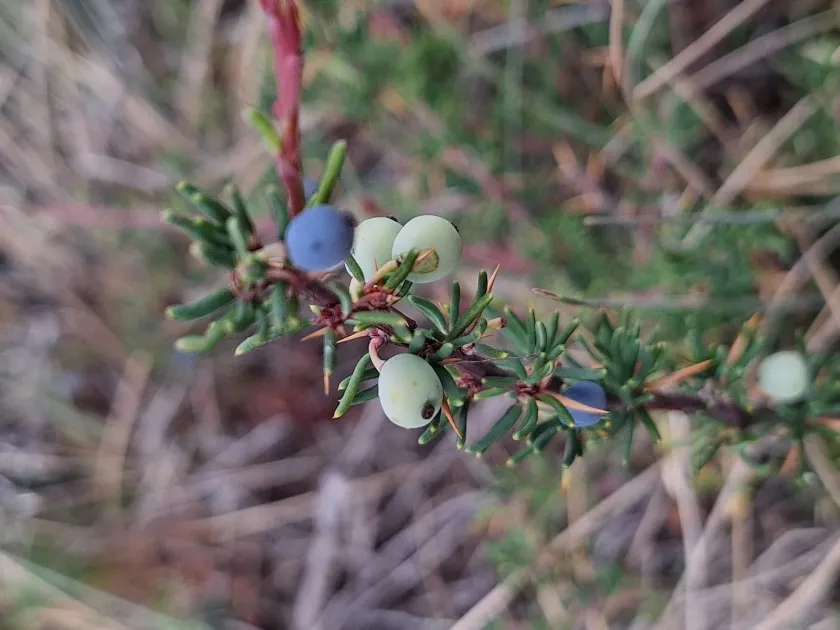
This prostrate, evergreen shrub is highly valued in ornamental gardening for its low-growing habit and small, linear leaves that resemble the foliage of crowberry.
The plant thrives in well-drained, gritty soils, reflecting its natural high-altitude mountain habitat where drainage is naturally provided by slopes and rocky terrain.
Full sun exposure is crucial for this species; it requires ample light to maintain its dense structure and to ensure successful flowering during the spring season.
It is relatively drought-tolerant once established but needs consistent monitoring during the first years of growth to ensure the root system is well-settled.
Main diseases and pests
Powdery mildew is a common concern for Berberis species when planted in humid areas with poor air circulation, necessitating strategic spacing between plants.
Rust fungi can cause significant damage to the foliage, necessitating prompt identification and application of appropriate fungicides to protect the health of the shrub.
Aphids are the most frequent insect pests, attacking young, tender growth and potentially transmitting viral infections if the infestation is not managed early.
Regular sanitation, which includes removing dead or diseased branches, is an effective cultural practice to prevent the spread of fungal pathogens within the garden.
If chemical control is necessary, integrated pest management practices should be followed to minimize the impact on local pollinators and beneficial insect populations.